Tag: Total Synthesis

  • Are Peptides Safe? What We Know So Far

    Are Peptides Safe? What We Know So Far

    Summary: Many peptides are well-established medicines, but experimental peptides currently popular with bodybuilders and “biohackers” are a very different story. For compounds like BPC-157, TB-500, KPV, Epitalon, MOTS-c and Semax, human clinical evidence is limited or absent. Animal experiments (and personal reports – which we cannot use to define national medical practice!) suggest interesting effects. But in humans, they might, or might not, be ineffective or dangerous.
    More details in the video and article below.

    The article below is based on the content of this video.

    Why are peptides now more accessible?

    In the last two years, we’ve moved from a “war on peptides” to a situation where public interest is blowing up, gym bros are Wolverine-stack-maxxing to cure their shoulder niggles, and longevity enthusiasts are debating whether Chinese black-market substances might allow them to live 5 days longer. Perversely, some just-trust-me-bro folks even see lack of any proper human efficacy or safety data as a positive.

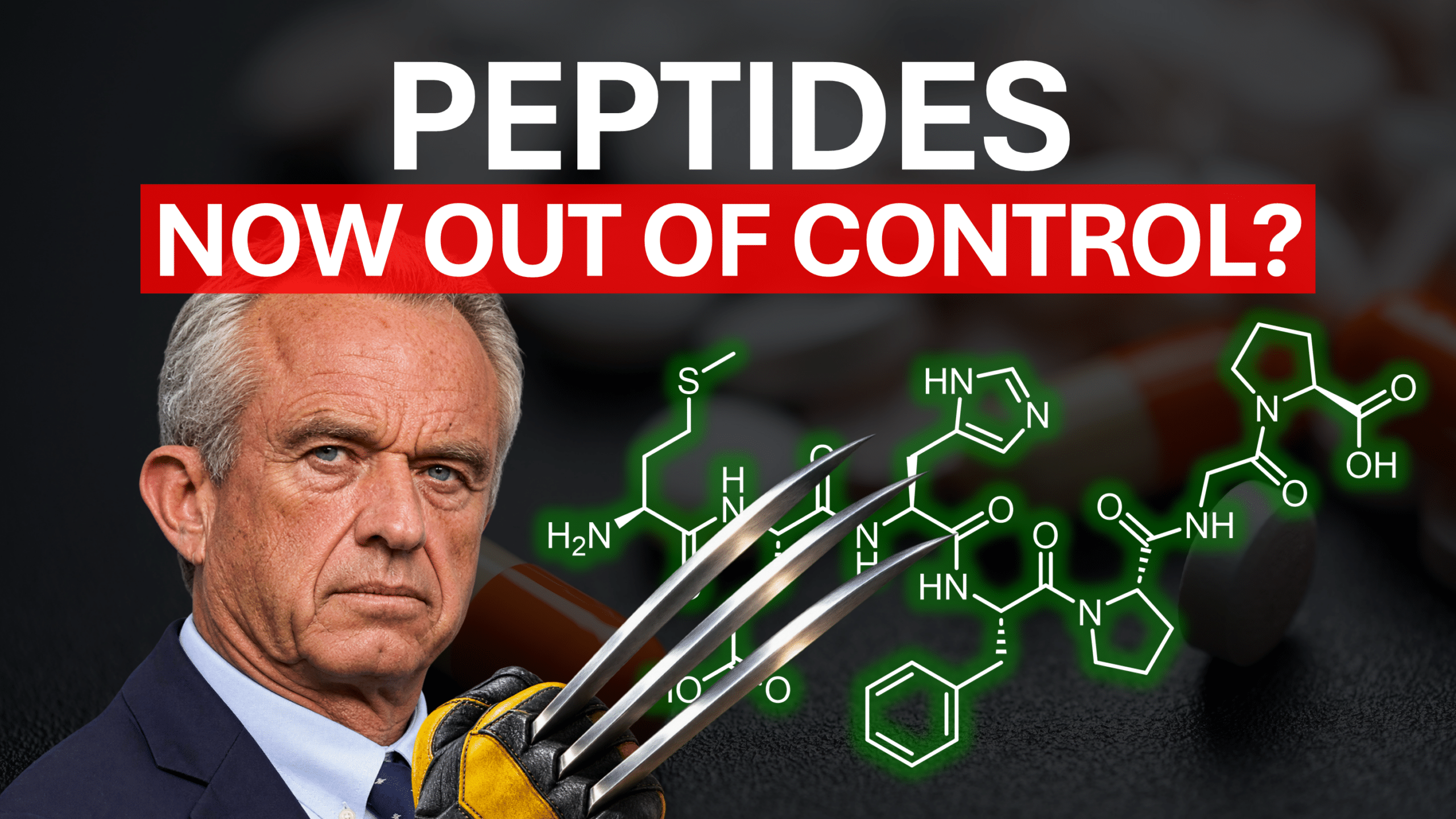
    And now, the Health Secretary RFK Jr has cleared the way for easier compounding of six unapproved peptides. He must have been running quite a successful stack himself as the decision overruled the warnings of FDA scientists.

    But what even is compounding and why should we care? And does this decision democratize access to miracles, or is it just another bump in the clown road the world is on? And who are the six chosen peptides – what are their molecular architectures, mechanisms, potential benefits and risks? In this article, we’ll discuss the science, disprove the Wolverine stack with its own line of logic, and check out several crazy stories. We’ll focus on the facts but also read user reports, though I wasn’t too proud of humanity when I read through some of them.

    So, let’s get started with drug compounding. You might have heard this term over the last few years in the context of the obesity peptides Ozempic and Wegovy. This was quite a controversial saga itself, as an official drug shortage fueled a booming market for compounded GLP1 drugs.

    What is pharmaceutical compounding?

    You might have heard this term over the last few years in the context of the obesity peptides Ozempic and Wegovy. This was quite a controversial saga itself, as an official drug shortage fueled a booming market for compounded GLP1 drugs.

    Traditionally, drug compounding occurs when patients cannot be treated with an FDA-approved medication. It typically involves an already approved active substance that is tailored to an individual patient’s needs. This can include the preparation of formulations that avoid allergens for specific patients, and is also important for children that need lower doses and easier-to-swallow dosage forms. This is essential for things like pediatric cancers, so compounding can be pretty great.

    Compounding happens all the time, and is extended to even more substances in case of drug shortages. For obesity drugs this has quieted down but it wasn’t as temporary as you would think based on the law, probably also because this has proven lucrative for compounders and telehealth companies. There’s no R&D risk involved – just take someone else’s product and undercut them on price. Also, why stop at approved GLP1 drugs, when you can start cooking retatrutide that is not even approved by the FDA yet?

    What are the risks of compounded peptide injections?

    I hope some alarm bells are ringing for you now. If selling unproven drugs becomes a market, then compounding stops being “pretty great”. We have the example of semaglutide salts here as a different version of a drug, but sometimes it’s also that compounders just don’t prepare or store these drugs as diligently, shipping sterile injectables that actually are not.

    This can result in warning letters, enforcement action and the obligatory lawsuit shenanigans. But in the best case, hopefully no patient harm. Grey or black market enthusiasts might want to call me overly cautious, because there has been no catastrophe for obesity peptides, right? Sure, you might get scammed and receive samples with bacterial toxins – but apparently you also have good odds of getting hooked up with more semaglutide than you wanted for some extra gains.

    Contaminations and thus risks of compounded drugs can be extremely serious. Actually, it’s behind what the DOJ called the largest public health crisis ever caused by a pharmaceutical product. In 2012, three lots of a steroid drug prepared by a compounding pharmacy were contaminated with a fungus. Across 23 states, as many as 14’000 patients were injected with the contaminated steroid, resulting in over 700 fungal infections and tragically, at least 64 deaths.

    Get this – the owner and head pharmacist of the compounding center in question wasn’t only to blame for the authorization of contaminated material, but also for creating fake prescriptions which these morons tagged with celebrity names.

    So, all of this tells us that compounding needs to be well regulated, products need to be prepared and distributed with pristine quality, and all the different players need to focus on patients instead of marketing and profits. Well, if that isn’t a lot to ask.

    The Story of Makena

    What’s that – want another ridiculous story? Compounding was also used as a tool of protest against high prices of a progesterone drug. Prior to official approval in 2011, compounders sold an injection to individual patients for 10-15$. The FDA ran a program that encouraged modern trials of older and repurposed medicines, incentivizing companies with market exclusivity on off-patent drugs. So, a small pharma company ran an accelerated development program and got the drug approved. Oh, and they also jacked up the price hundred-fold to $1.5K per injection. So, the program that the FDA initially encouraged turned out to be an ugly duckling, and they indicated they would not take enforcement action against drug compounders even though it was not legally permissible anymore. The cherry on top is that the approval for this drug was withdrawn a decade later because it turned out that it didn’t even work. What a mess.

    In some sense, today’s situation is equally crazy, because we’re now talking about facilitating the compounding of peptides for which there’s no drug shortage, no FDA approval, and in some cases not even published studies in humans.

    Why did the FDA flag BCP-157 and other peptides?

    To understand the events in 2026, we need to understand what happened three years earlier, and learn a little FDA bureaucracy. Simply put, the agency maintains a list of substances that pharmacies are allowed to use for compounding, and it constantly reviews new candidates that are nominated. While they are reviewing them, the substances get placed into different interim categories. Landing in category 1 is the good spot because they have conditional regulatory leniency, whereas category 2 substances are ones with potential safety risks, and the FDA may go after compounders who distribute these.

    Around 2020, many compounders started nominating peptides like crazy, requesting the FDA to review them for the official list. In the interim, they were obviously hoping to land in the category 1 – but in 2023, the FDA threw them into  Category 2. Notice that there were other substances being reviewed, including the peptide LL-37.

    The FDA cited significant safety risks, and if we look at LL-37, they might actually be catastrophic. With this peptide, you’re potentially harming your reproductive system and increasing cancer risk. Unfortunately, LL37 has still ended up in some bodybuilding stacks, supposedly helping with gut health. I’d rather eat a yogurt and some fiber. By the way, this Reddit comment again shows us how common mistakes are when people freestyle drug administration.

    Anyways – the FDA’s decision in 2023 was pretty logical – but politics and capitalism would like to have a word with us. The decision ruffled the feathers of compounders and some other people, gradually building up pressure on the new Health Secretary who, as we already saw, had been an advocate of peptides anyways.

    Why were peptides reviewed in 2026?

    This brings us back to July 2026, with the classification of these peptides unsurprisingly back at the table. This is not the HHS announcement, yet, but this time, we got the opinion of the FDA’s Pharmacy Compounding Advisory Committee, hilariously abbreviated as PCAC. We’ve previously discussed similar Advisory Committees when we talked about psychedelics – they are supposed to be independent advisory panels for the FDA, giving non-binding recommendations based on scientific or medical expertise, or patient insights.

    Prior to the PCAC, FDA scientists themselves did their homework and published some nice background documents, covering the six peptides in question and a seventh that was one up for debate. We’ll see the details later – but long story short – they recommended against all of them given the evidence is nowhere near sufficient to establish any efficacy or safety.

    But by now, we know that the review wasn’t the no-brainer we would expect based on the science. Again – sprinkle in politics and capitalism – and you get a PCAC composed of people with conflicts of interest. You can read about the allegations yourself if you’re interested, but apparently seven of the eleven regular voting members had financial ties to peptide-related businesses or clinics. Another one was the son of a congresswoman who urged HHS to convene the panel. Yikes.

    Now, get this. Across all peptides reviewed, all supporting votes came from these eight members. The result was to greenlight the six peptides, basically advocating for the FDA to reverse its actions from 2023. The seventh one, a potential insomnia peptide, actually didn’t make the list due to one single vote. This is particularly ironic because if you look at the number of human studies across all seven, this one actually had among the most data.

    But how did an advisory recommendation to the FDA turn into an HHS policy? Well, the disagreement continued behind the scenes. HHS officials initially wanted the FDA to issue formal regulation deeming these peptides safe and good-to-go, probably leveraging the AdCom “expert” input as an argument. The FDA pushed back on this given unexplored safety and lack of data.

    What did RFK Jr’s new policy actually change?

    So, the HHS apparently decided that the next best thing to do was to simply tell the FDA not to follow its existing rules, and let compounders live in peace. This is called enforcement discretion, and the key argument was harm-reduction: people are already injecting these substances anyway, so better allow them to get them from licensed pharmacies with better quality control than black market mystery syringes. If getting shredded while potentially increasing my overall mortality risk isn’t peak freedom, then I don’t know what is. What do you think about the decision and this argument?

    Some would say that this isn’t a carte blanche, because compounders need to collect information on side effects and verify the purity of their ingredients. This sounds like the bare minimum and FDA might not even have the authority to enforce some of the requirements. This is like a enforcement discretion-inception. Also, none of the drugs passed the FDA’s sniff-test in specific indications, but the HHS decision offers flexibility for all uses. So, not only can a doctor write a prescription for a drug with no human safety data, but they can also just cook it up for any use they want.

    I recognize that not every compounder and grey-market seller will be a Machiavellian actor, but relaxing control over this field is really problematic, and will not discourage bad actors from causing harm: More and more people will inject themselves with vials labelled ‘not for human consumption’, and spend their money on things that make them less healthy, not more. Like we see here in the retatrutide example, some of the samples might even not contain any peptide at all.

    Ironically, that might not be so bad if you’re looking for the peptide LL-37, because at least you’re not harming yourself. But what about the other six peptides? Do we know how they work and if they are harmful, miracle drugs, or maybe just nice placebos?

    KPV peptide: The research on inflammation

    Let’s start with the simplest molecule on our list – KPV. Every natural sciences student should actually be able to correctly guess its structure. We’re looking at a tripeptide, composed of the three amino acids lysine, proline and valine. This compound is basically the end of a much bigger, thirteen-amino acid peptide produced in the human body, called alpha-MSH. This hormone stimulates the production of melanin, so it is the primary actor behind the pigmentation of skin and hair.

    So, why are people excited about the smaller related molecule, KPV? Well, there is research showing it has anti-inflammatory properties, so it might be useful to treat conditions like inflammatory bowel disease. Basically, assuming we mess up the intestine of mice by adding a sugar compound abbreviated as DSS, addition of KPV suppresses cytokines, which are small signaling proteins that guide the immune system and control inflammation. For example, this chart quantifies the mRNA levels of IL6 – so the expression or production of one specific cytokine. Significantly less cytokine in the fourth column implies less inflammatory response, and we also see that the colon of the mice have less cell damage. Importantly, we already have effective drugs against inflammatory bowel disease, so this is not a condition where we are looking for anything to work out of desperation.

    You’ll know that cancer is also linked to inflammation, so there is some research suggesting that KPV could also slow down colorectal cancer. OK, this is interesting – but you could find a bazillion substances that potentially look promising in test tubes and mice models. The issue is that we don’t have any data in humans, so it seemed logical for the FDA to be against facilitating compounding of KPV.

    Unfortunately, we have built 5 carts before the horse, and people have already started to throw this into their regeneration stacks, hoping that the anti-inflammatory effects translate into superior wound healing or simply general health. But we can’t even say if KPV can significantly penetrate the skin based on literature! If the permeability in human corpse skin is any guide, topical KPV creams or serums might be useless. So, we might be in a situation again where you’re actually not getting any active substance into your body, and you might be better off for it, because we have no data on short- or long-term safety. This nice table speaks for itself.

    As always, there are of course positive and negative anecdotal reports, and we obviously cannot base healthcare practices on such data. We don’t know who used what, how and when, what other things they were doing like diet or what additional dubious compounds they were stacking on top of each other, and finally, there is no way to account for placebo effects, or things simply getting better over time.

    In my opinion, all of these arguments should bury the case for KPV, at least right now – but what about the infamous BPC-157 and its Wolverine-stack-combo partner TB-500?

    BC-157: Can it really heal injuries?

    BPC-157 is definitely a larger fella. Count the amino acids and you will realize we’re now at fifteen. We can actually find the same three building blocks of KPV in here again, with even three prolines in a row. BPC-157 is synthetic, but derived from a larger compound originally isolated from human gastric juice. But just like KPV, it holds promise for skin regeneration and all kinds of tissues more broadly – tendons, muscles, bones, potentially even organs. The molecular mechanisms are again complex – this includes “KPV-like” anti-inflammation, but also things like encouraging the formation of new blood vessels.

    This wide variety of mechanisms has led to some research that seems promising indeed. For example, BPC-157 seems to help skin burns in mice, help tendon recovery in rats, or heal bones of rabbits.

    However, none of these effects have been adequately studied in humans, and it looks like the only real musculoskeletal outcome is one retrospective (so not great) study where seven out of 12 patients reported subjective symptom improvement for their knee pain.

    Still, there is the hypothesis that there is nothing that BPC cannot heal, its use exploded in amateurs and even athletes, with the World Anti-Doping Agency banning the substance in 2022. And no, a ban does not mean that the agent is effective, and it definitely doesn’t mean that its safe. As we’ve mentioned for KPV, you can find positive reports but also negative ones – this could even include concerning things like dissociation.

    Why should we be so cautious? Well, psychiatric adverse events can be catastrophic in the most extreme cases. I’m reminded of rimonabant, which was one of the first-generation weight loss drugs so it perfectly fits our obesity/peptide theme. If we sometimes cannot even detect such hidden, longer-term risks with properly studied drugs, then how can we without any studies at all?

    Speaking of studies, there has been one placebo-controlled study that tested the efficacy of BPC-157. But – hold your horses. First, the study was in ulcerative colitis – so again, inflammatory bowel disease and not musculoskeletal conditions – and the route of administration was a rectal enema. Regenerating your butt hole is probably not what you need for exercise recovery – though this depends on your choice of exercise. Jokes aside, the FDA document nicely explains why this study is not helpful. Most notably, BPC failed to demonstrate statistically significant improvements over placebo and the full data have never been published. Interestingly, there was another phase 1 study a decade later, but we also have no results from that one.

    We are back at what is a common theme – we have no good data at all, so we don’t know what the safety risks are. There was one report in the adverse event database of BPC-157 leading to shortness of breath and an ER visit, and another one of hyperpigmentation. We can only hope that cases like these will be monitored well going forward.

    Another safety risk might come from the hypothesis that the creation of blood vessels could actually promote tumor growth. This makes sense mechanistically, though we don’t know. Oh and obviously, don’t be this person.

    Some of you might wonder, how is BPC-157 made? Most chemists will have heard of solid phase peptide synthesis, or SPPS. This is based on the sequential coupling of amino acids, gradually building a growing peptide chain – kinda like adding pearls to a string. Even though BPC-157 has a decent size of 15 amino acids, you can get an overall yield of >75% based on the first building block. If you want to read how this works in practice, you have two exciting reads: A Chinese military patent, and an article in my favorite Slovenian Chemistry journal (xD). And if you’re done with those and still want another exciting read, you should check out my satire book. It’s not about peptides, but it makes up for that by putting you into a freshman year fever dream.

    So, why did I mention peptide synthesis, other than because of my name? Well, bad batches of these peptides can actually include many impurities from the solid phase synthesis process, so there are also risks from chemical contamination, not just the biological risks we discussed earlier.

    TB-500: What about the Wolverine stack?

    With seven amino acids – and no proline by the way – TB-500 is roughly half the size of BPC-157. It’s our third peptide, and three time’s a charm: this is again a fragment from an endogenous protein produced by the human body. This larger parent peptide is called thymosin beta-4, and is upregulated in response to tissue injury. Compare the mechanisms and pathways, and you’ll realize where the stacking logic with BPC-157 is coming from. The hope is to get a boost in repair and anti-inflammation, but through a complementary or synergistic pathway to BPC.

    This is again the part where I show you the slightly prettier skin of a poor mouse with skin burns, and complain about the fact that a compound with no (clinical) human documentation at all is being pushed for everything under the sun. My own hot take is that the most recent research suggests that the Wolverine stack is less than legendary. Here, researchers cut up and then reconstructed the Achilles tendons of rats, and they found that only TB500 increased tendon strength in a statistically significant manner. BPC157 alone or in combination with TB500 didn’t reach significance. So, if we use rat research with a sample size of 4 to guide human medicine, then everyone should actually be taking TB500.

    So, nothing useful on TB-500 – but actually, it’s even worse than nothing. The only clinical trial record for this compound is a fictional record with a fake Chinese trial site. I assume this was done to simply allow sellers to claim that ‘human studies are underway’, of course in the name of marketing. Pretty insane.

    Epitalon: Can this peptide slow aging?

    Next up, we have the smaller Epitalon, perhaps my favorite one. This is a synthetic tetra-peptide, somehow derived of a natural extract of cow brains called epithalamin. This distinction matters because some of the transformational claims behind Epitalon are actually based on research with epithalamin, and apparently we still do not even know what epithalamin actually contains. We know that they are different, but that Epitalon is quote “probably” the active component. Even the pharmacy that nominated epitalon for compounding – so to get it on the official list – said epithalamin is just another name for epitalon. I mean, it would be good to know if I have to inject myself with cow brain serum, or if I have to take the synthetic drug that is quote “probably” the good stuff.

    So, what are the transformational claims? Well, it’s apparently the fountain of youth. Although this sounds like the biggest scam of them all, the compound is super interesting. One issue however is that basically all the research was conducted in Russia decades ago, so not all papers are translated and it’s obviously also not the same as if the research was done in the US.

    Why is it so interesting? In some experiments, giving epitalon to mice decreased how often they developed solid tumors or leukemia, and even extended their lifespan. This effect wasn’t consistent though. In one set of mice, the average lifespan increased overall, while in another one, only the maximum lifespan of the oldest ones increased. The theory here is that epitalon might elongate the body’s telomeres. These are the protective caps of chromosomes, which shorten each time a cell divides. Over time, they become too short and the cell stops dividing, or simply dies, thus contributing to aging of a tissue. Activation of telomerase enzymes could rebuild these telomeres and rejuvenate the body, so this is where clinics are getting the ‘fountain of youth’ story from.

    W e have to give credit where credit is due: beyond the animal studies, it has been given to hundreds of people and supposedly increased the lifespan of elderly people by one year. There are obviously big question marks on what this study actually was, and the sample size of 20 is ridiculous – you’ll notice it used epithalamin and not epitalon – but hey, at least this is more than what we have for the other peptides. Would be great if we could replicate this with today’s trial standards, and finally understand the what frick epithalamin even is.

    I won’t cover everything, but one interesting to highlight is that extending telomeres is a double-edged sword – adding too much protection and you risk your cells turning rogue and becoming cancer down the line. So in humans, over long enough timeframe, the apparent reduction in spontaneous tumors might actually reverse. We have no data, so we have no safety information, yada yada you know the Spiel.

    MOTS-c: Do we know if it works in metabolic health?

    The fifth one is different, but also kinda the same. MOTS-c is a 16-amino-acid peptide that can regulate insulin sensitivity and metabolic homeostasis. So, it’s different in the sense that instead of regenerating your wounds, its promise is to improve your metabolic health and physical capacity. But it’s kinda the same because we again only have mice as our role models. Essentially, mouse on a high-fat diet = bad, but a high-fat diet + MOTS-c = not so bad.

    Mice injected with MOTS-c on a daily basis also seem to run longer, so there is an endurance angle to the compound. This treadmill test reminds me a little bit of the non-peptide SLU-PP-332 that we’ve discussed in a previous video, so if this topic is interesting to you, you can check that one out. Unsurprisingly, the mechanism of MOTS-c is poorly understood, but it somehow activates AMPK signalling which puts the metabolism on overdrive, increasing the turnover of glucose and fatty acids.

    As for the other peptides, we have no clinical data but have turned the broader population into guinea pigs – with some people say it gave them more energy, others say it zapped them, some say it only works for older people. It doesn’t help that most of these people are also on GLP1 peptides, many on the already unapproved retatrutide, so you cannot really tell who is doing what and what is helping them. Some folks – imagine this – claim it to be ineffective unless you stack-max it with another peptide, SS31 – of course, at your own risk. Again, no human efficacy data, no safety data – so the FDA was wise to be against this compound, and the HHS seems to be less wise, given they also included it in the list for enforcement discretion with the other 5 peptides

    Semax: What is the data on this nootropic peptide?

    Finally, in number six, we have Semax, a seven-amino-acid peptide. This one does have a surprise. Like epitalon it was primarily studied in Russia, but it’s actually even approved there as a nasal drop for various conditions, including stroke recovery and memory disorders. In the US, the marketing promises are again rather endless, with most people aiming to use Semax as a nootropic to enhance cognition and focus.

    One of the proposed indications reviewed by the FDA was migraine, and the best data we have there were 12 subjects that were tested on an ambiguous rating scale with no blinding, control group, etc.. Another indication was recovery from acute brain injury, and there we have an abstract with an unknown number of humans undergoing unknown treatment regimens leading to unknown clinical outcomes. I just hope the approvals in Russia were not based on data like these… We could spend more time on its potential mechanism, but honestly I think the video is already dense enough.

    Semax: What is the data on this nootropic peptide?

    So, the bottom line is not that these peptides are necessarily useless, or that we should not find new longevity drugs. It’s just that interesting mechanisms, athletic mice and positive user reports are not enough for us to run large-scale experiments on the broader population. I really hope that we’ll see serious clinical trials on peptides in the coming years given the hype, but I also suspect that we’ll also hear about concerning cases – whether from harmful substances, contaminated products, or inadequate patient education. Freel free to hate me in the comments with a positive user anecdote, but whatever you do, please don’t accidently quintuple your dosage.

    I hope you learned something new. Stay safe!

    Peptides: references

  • Troc Protecting Group: Troc Protection & Deprotection Mechanism

    Troc Protecting Group: Troc Protection & Deprotection Mechanism

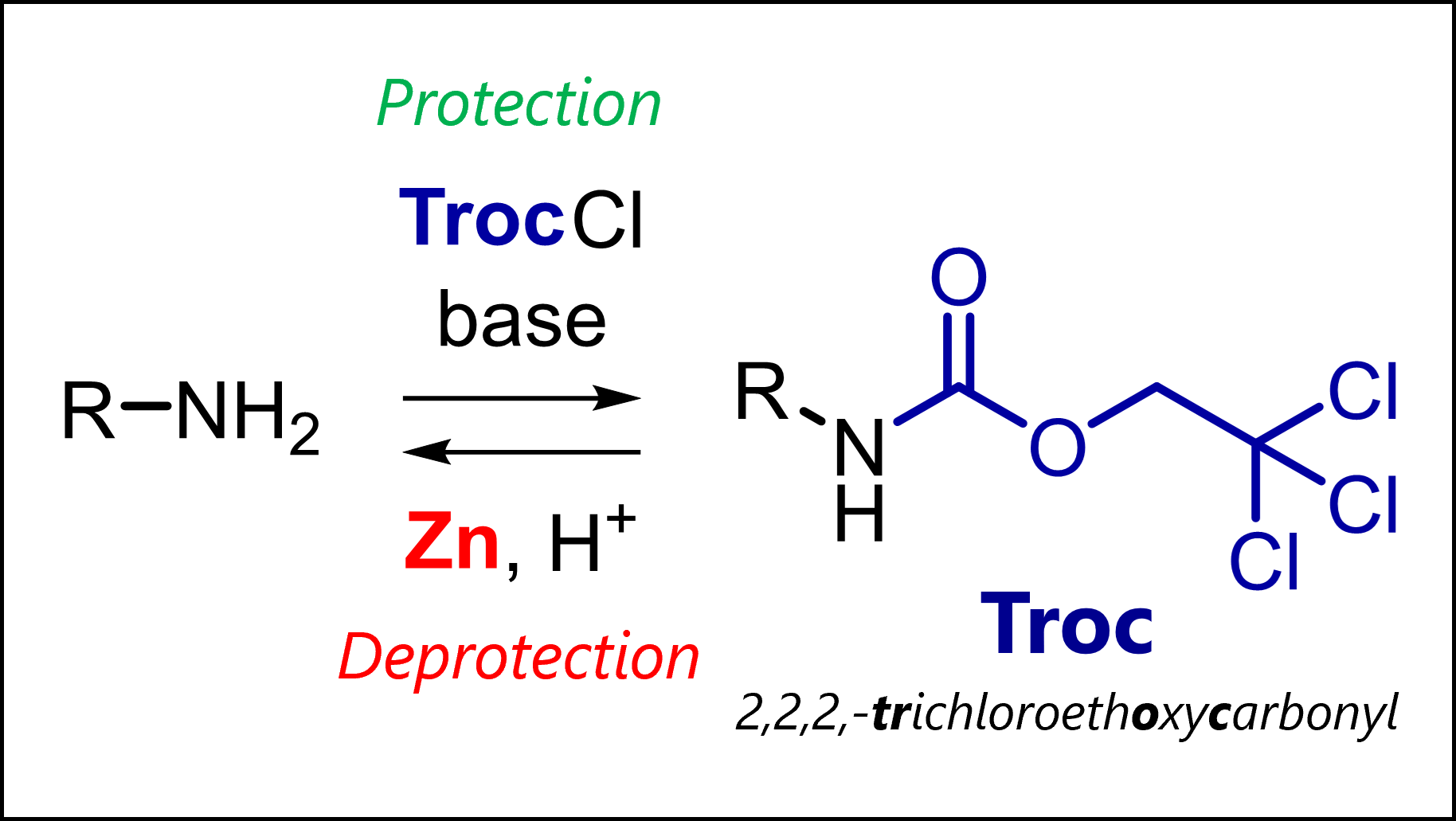
    Conditions for protection and deprotection of the Troc protecting group (2,2,2,-trichloroethoxycarbonyl)

    🫡 Hello! Here’s what you’ll learn here:

    👀 Left: 3D model of Troc (chlorines in green!)

    What is the Troc Protecting Group?

    Troc (2,2,2-trichloroethoxycarbonyl) can convert amines or alcohols into stable carbamate or carbonate derivatives. This leads to a similar effect that we see in groups like Fmoc or Boc: the previously nucleophilic amine or alcohols loses its reactivity (driven by delocalization of electrons into the carbonyl system).

    The nice thing is that Troc is orthogonal as the deprotection conditions for Fmoc (base), Boc (acid) or silyl groups like TBS (fluoride) do not remove it. Instead, it has a unique mechanism of reductive beta-elimination to release the free group.

    Troc Protection Mechanism

    Reaction mechanism of Troc protection of an amine

    The Troc protecting group is introduced by reacting the free amine or alcohol with 2,2,2-trichloroethyl chloroformate (Troc-Cl) with addition of a base.

    Most common protection conditions are Troc-Cl with pyridine in CH2Cl2 or THF. If the starting material is very polar, Troc-Cl with NaOH or NaHCO3 in water.

    Troc Deprotection Mechanism

    Reaction mechanism of Troc deprotection through reduction (beta-elimination)

    The Troc protecting group can be removed with certain reductive methods which all function via beta-elimination. Most common is use of zinc or other single-electron reductants that reduce the terminal carbon. The beta-elimination gives a free carbamate – an intermediate seen in mechanisms of many other protecting groups – that rapidly decarboxylates to the deprotected amine (or alcohol).

    Most common deprotection conditions are Zn powder in THF/H2O or so-called couples/alloys consisting of mixtures of Zn-Pb or Cd-Pb. More rarely used, reduction with electrolysis also removes the Troc group.

    Always remember protecting group stability or lability are always general (e.g., here: removal by reduction). Nothing in chemistry (or life) is black and white 🙂
    Here is a neutral method (not reductive) using trimethyltin hydroxide. [1]

    A fascinating point is that under the right conditions, Me3SnOH actually deprotects Troc selectively in the presence of methyl esters (you would expect that the methyl ester is quite labile to hydrolysis with hydroxide).

    Tired of serious chemistry?
    Take a break with “Periodic Tales – The Freshman Mole”, a satirical novel that’s the opposite of educational.

    Dedicated to every chemistry and STEM student who asked: “Why did no one warn me?”

    Troc protecting group in total synthesis

    The very first introduction of the Troc protecting group was already… very advanced! Woodward and co-workers used the starting material below in the synthesis of cephalosporin C, an antibiotic natural product. [2]

    Use of Troc in the total synthesis of cephalosporin C

    This is a cool example where just one of the three groups decarboxylates. The others are not true Troc groups but were instead masking the free acid. If we do not have a free carbamate or carbonate after reductive elimination, we do not see a decarboxylation.

    Thanks for checking out this article – feel free to read about other protecting groups or check out my educational videos!

    If you’re looking for comprehensive resources on PGs, I recommend Greene’s Protective Groups in Organic Synthesis and Kocienski’s Protecting Groups.

    Below you can find typical Troc protection and deprotection conditions.

    Troc Protection conditions [3]

    To a solution of the alcohol (0.80 g, 1.48 mmol) in methylene chloride (30 ml) at 0 °C was added pyridine (0.96 ml, 11.84 mmol, 8 equiv) followed by 2,2,2-trichloroethyl chloroformate (0.8 ml, 5.92 mmol, 4 equiv), and the reaction mixture was stirred at 0 °C for 1 h. Saturated aqueous sodium bicarbonate (50 ml) was added and the organic layer was separated. The aqueous layer was extracted with methylene chloride (3 x 50 ml), and the combined organic layers were dried over anhydrous sodium sulfate and concentrated in vacuo. Purification by flash column chromatography (2% EtOAc/hexanes) afforded protected product (0.98 g, 93%) as a colorless oil.

    Troc deprotection conditions [4]

    To a solution of protected Troc-amine (40 mg, 57 µmol) in 4 mL of MeOH was added activated zinc (400 mg). The mixture was stirred at 25 °C for 5 min, and glacial HOAc (4 mL) was added. The mixture was heated at 60 °C for 30 min, cooled and concentrated under reduced pressure. The residue was treated with 5 mL of 5% aqueous NaOH, and the solution was extracted with EtOAc (5 × 5 mL). The combined extracts were washed with brine, dried over anhydrous K2CO3, and concentrated under reduced pressure. Flash chromatography on silica gel (100:1 CH2Cl2/MeOH) gave 25 mg (86%) of the free amine as a viscous oil.

    TROC Protecting Group References

    • P. G. M. Wuts, T. W. Greene: Greene’s Protective in Organic Synthesis (Wiley)
    • [1] Highly Chemoselective Deprotection of the 2,2,2 Trichloroethoxycarbonyl (Troc) Protecting Group | Barry M. Trost, Christopher A. Kalnmals, Jacob S. Tracy, and Wen-Ju Bai | Org. Lett. 2018, 20, 8043−8046
    • [2] The Total Synthesis of Cephalosporin C. | Woodward, R. B.; Heusler, K.; Gosteli, J.; Naegeli, P.; Oppolzer, W.; Ramage, R.; Ranganathan, S.; Vorbruggen, H. | J. Am. Chem. Soc. 1966, 88, 852− 853
    • [3] Patent WO2007/15929, 2007, A2
    • [4] Total Synthesis of (±)-Symbioimine | Yefen Zou, Qinglin Che, Barry B. Snider | Org. Lett. 2006, 8, 24, 5605–5608
  • Total Synthesis Of Cocaine (Willstätter)

    Total Synthesis Of Cocaine (Willstätter)

    Did you know that while Coca Cola was getting consumers casually coked up in the late 19th century, chemistry titans were fighting an epic battle around cocaine synthesis? With a Nobel Prize on the line, the stakes were high, cocaine’s structural complexity was high… and everybody else was high too.

    Keep reading to learn more about this molecule, as we dive deep into its history and chemistry. Regardless of if you’re a science nerd or amateur, you will learn a ton today – from nice history trivia and tales of careless, chain-smoking chemists, to innovative synthetic strategies that will remain classics in chemistry forever.

    This post is purely educational.

    Global cocaine use

    So, what do the data tell us about cocaine? As one of the most abused substances globally, it’s clearly a huge problem. The number of users has increased faster than population growth. 30% of use comes from the US – and although popularity had been declining for some years, it has unfortunately rebounded more recently. There are no signs a slowdown. The UN even estimates that global use could more than double, in case emerging markets like Africa or Asia would intensify their consumption to similar levels like the Europe or US.

    The world’s supply of cocaine originates virtually entirely in South America. The annual manufacture is at record levels of 2000 tons, which is a dramatic uptick from 2014, when the total was less than half as big. On the positive side, interceptions by law enforcement increased faster than production, with some countries seeing 5 to 10-x higher seizures.

    Use isn’t everything. The number of overdose deaths involving cocaine has skyrocketed, notably in the US. This is due to the insane increase of synthetic opioids. The light pink line, which excludes these, suggests the US cocaine market has contracted from its peak.

    Some researchers have even quantitatively investigated the link of mentions in song lyrics and substance use. The logic here is pretty simple. As rappers increasingly mention baking soda or coco in their songs, they contribute to cocaine popularity and associated deaths. According to the researcher’s statistic model, there is a 2 year lag before this kicks in. At least the use in lyrics seemed to have plateaued in their data.

    On a more alarming note, use of even more dangerous crack cocaine has risen in the US and Europe. Compared to powdered hydrochloride salt, this free amine base reaches the brain quicker, making it far more addictive. But what mechanisms of cocaine make it so dangerously enticing for users?

    As we will discover shortly, cocaine saw historical use as a local anesthetic. Cocaine stabilizes voltage-gated sodium ion channels in an inactive state. Cells lose their ability to propagate electrical signals, including pain response. Although some FDA-approved cocaine formulations exist, the medical use of cocaine is largely obsolete.

    Cocaine’s mechanism of action

    What about cocaine’s psychoactive effects? It acts at the synaptic cleft in the central nervous system by blocking certain transporter proteins. These transporters usually mediate the re-uptake of neurotransmitters serotonin, dopamine and noradrenaline. Cocaine mainly prevents reuptake of these agents, causing intense and extended stimulation of the nervous system. On one hand, this overstimulation messes with the body’s reward system. As we’ve seen in our ibogaine video, many psychoactive compounds influence a myriad of targets. The same is true for cocaine. For instance, it also binds opioid receptors – if you want to learn more, check out the literature.

    The dopaminergic activity of cocaine makes it addictive, and repeated exposure leads to desensitization. This means people need larger doses to induce stimuli and fend off withdrawal symptoms. This is already problematic, but cocaine and its metabolites are also toxic for many organs such as the liver, brain or kidney. In the cardiovascular system, cocaine leads to an increased heart rate and blood pressure, while decreasing the supply of oxygen to tissues. Remember the sodium channel inactivation? This can change intracardial signals within the heart leading to dysrhythmias. The list of health risks is pretty long, so I hope we all agree that this is not worth it.

    Discovery of Cocaine

    But since when do we even know about the molecule cocaine itself? Meet the German chemist, Albert Niemann. Like many chemists we will mention today, he is not famous but actually quite the legend. He was in great company, as he was the graduate student of Friedrich Wöhler. This is the guy who synthesized urea – in 1828 from inorganic starting materials. This was a major milestone in organic chemistry, as it dispelled the vitalistic misconception that only living organisms could produce the organic chemicals of life.

    Wöhler requested Karl von Scherzer to bring him some coca leaves. This Austrian dude was pretty much living the dream of every gen Z or millennial, as a nice inheritance gave him the financial freedom to quit his printing job and start traveling around. Instead of flying to Bali, von Scherzer participated in the first large-scale scientific expedition of the Austro-Hungarian empire in 1857. Coming home with a stash of coca leaves, he imported some of them into Germany. Just in time for a nice PhD project for Niemann. Although cocaine-enriched extracts were obtained from coca leaves in 1855 already, Niemann was the first to truly isolate and characterize the primary alkaloid. He unsurprisingly gave it the name cocaine and published his research in 1860, earning him his well-deserved PhD.

    Niemann was a productive, top notch researcher. In the same year, he described the synthesis of mustard gas from sulfur dichloride and ethylene. Unfortunately, this might have been a case similar to Marie Curie. Niemann correctly noted the toxic properties of this blister agent which as many of you know, saw military use during the first world war. Niemann died shortly after in 1861 due to a devastating lung infection. Maybe, the exposure to mustard gas caused this?

    After Niemann’s untimely death, another colleague in Wöhler’s research group concluded his research, determining cocaine’s molecular formula. It might ring a bell for more advanced viewers: this was the guy who coined the Lossen rearrangement reaction. Only thirty years later, Richard Willstätter determined its true structure. This gentleman is the main character of our story.

    Early use of cocaine

    Before we dive into the chemistry, we should note that the West rapidly embraced cocaine. Initially, it gained acclaim for its local anaesthetic properties, particularly for calming involuntary eye movements during surgery. This was a significant breakthrough! One funny article described it like this: Patients no longer merely endured nerve pain from having their eyes cut; they even chatted pleasantly during their procedures.

    Cocaine also found an advocate in Sigmund Freud, the father of psychoanalysis. After using it himself as a stimulant for the smallest of problems, Freud naively recommended it as therapy for various uses, including morphine or alcohol addiction.

    His personal positive experiences clearly blinded him, but pharmaceutical companies also paid him to promote their products. Over time, he could not ignore negative consequences such as addiction, leading Freud to eventually reconsider his stance.

    Cocaine’s integration into society also took a significant leap with the creation of Coca-Cola in 1886. Originally formulated as a coca wine substitute, Coca-Cola contained coca leaf extract including cocaine, along with caffeine from kola nuts. Due to growing incidence of cocaine addiction, the allrounder power-drink eventually eliminated cocaine from its formula.

    Cocaine synthesis: Willstätter’s Starting Material

    Let’s talk chemistry. Willstätter didn’t just determine cocaine’s structure – he also completed the first total synthesis of cocaine. Prepare for a wild ride!

    His synthesis started from cycloheptanone. But why?

    Well, it conveniently brings the largest ring present in cocaine’s structure. Degradation studies by Willstätter, which we will not show in detail, already indicated that cocaine contains a seven-membered ring. To build up the structure back up, Willstätter had to painstakingly functionalize the ring, and create the important amine bridge.

    Cocaine synthesis: Functionalizing the core

    The first few steps included condensation with hydroxylamine and reduction of the resulting oxime to give the amino group. This new group was eliminated through the Hofmann protocol. It starts with exhaustive methylation to the quaternary ammonium salt, followed by elimination with silver oxide and water. Overall, these four steps gave cycloheptene.

    You’re likely thinking – wait a second, why didn’t he just perform a Shapiro reaction to save some steps? Well, this reaction was only discovered in the 1960s, so Willstätter’s armamentarium of chemical reactions was limited.

    One double bond is nice, but as you will see, we actually need three of them. Bromination gave the dibromide, temporarily removing the alkene. Addition of dimethyl amine led to substitution and elimination, giving a double bond. Before you get excited, this is not yet the amine for the tropine bridge. Rather, another Hofmann elimination gave the diene. Because this was such great fun, another bromination and elimination with quinoline as a weak base gave cycloheptatriene.

    Now, kinda going a step backwards, the triene was reacted with hydrogen bromide. Due to the intermediary formation of the allylic cation, this regio-isomer is preferred as opposed to the other addition product. The newly introduced bromide group was substituted with dimethyl amin. At last, this is the amine that we need in cocaine. The next step was basically why the triene approach even worked. Reduction with sodium metal in ethanol reduced just one of the double bonds, resulting in a single isomer with the surviving alkene situated on the other side of the cycloheptane. Willstätter himself commented himself that selective reduction is strange. The last preparatory steps were a bromination of the remaining olefin to the trans-dibromide which also formed the ammonium salt. This was neutralized with sodium carbonate, regenerating the electron pair of the amine. This set up the critical step of the synthesis.

    Tired of serious chemistry?
    Take a break with “Periodic Tales – The Freshman Mole”, a satirical novel that’s the opposite of educational.

    Dedicated to every chemistry and STEM student who asked: “Why did no one warn me?”

    Intramolecular alkylation en route to cocaine

    So, our molecule now has a potent nucleophile – the amine – as well as electrophilic carbon-bromide bonds. In the energetic ground state, the groups don’t get close so there’s no reaction. However, cooking things up in ethanol provides sufficient flexibility for the ring to distort and get the amine close enough for a transannular SN2 reaction with the anti-bromide. As we’ve explained in detail in a previous video, the reaction proceeds through back side attack and a pentacoordinate transition state. This synthesis is racemic – you can check for yourself that an inverted configuration at the amine leads to the same product as it simply kicks out the other bromide instead.

    The product is obtained in roughly 30% yield and from what I could tell reading Willstätter’s work, it looks like he actually coined the term “intramolecular alkylation”. For 21st century chemists, this reaction looks simple, but for 1901, this is really insane foresight. Having created the tropane skeleton present in cocaine, we still have to demethylate the ammonium group, and functionalize the two ring positions.

    Synthesis of Tropidine and tropine

    To this end, elimination of the remaining bromide gave the double bond, setting up upcoming functionalizations. Then, the ammonium ion was converted to the neutral amine. Earlier, we’ve had the protonated amine which is why base was sufficient for neutralization. However, now we are looking at a tetra-alkyl ammonium. So, chloride anion exchange and heating removed one of the methyl groups via intermolecular SN2 reaction.

    How do we wrap up the synthesis? Well, instead of the alkene, we need an ester and a hydroxy group that we can benzylate. High school chemistry tells us that we can easily add water to double bonds, but in this case, a direct hydration was impossible. Instead, this conversion took two steps. First, exposure to hydrogen bromide gave the secondary bromide. Under acidic conditions, hydrolysis of the bromide gave the alcohol.

    Willstätter and Ladenburg: Two Titans Clash

    This step took quite some experimentation to get right, and actually it was a source of dispute between Willstätter and Albert Ladenburg, another German chemist. Ladenburg had claimed the direct synthesis of the alcohol under cold hydrobromination conditions more than a decade earlier. Willstätter criticized it, claiming year-long experiments did not replicate his findings.

    Very sneakily, Ladenburg updated his experimental procedures in later publications – saying they were included insignificant modifications. However, Willstätter saw this as a copy of his own research. His procedure strictly required acidic conditions and heat. To him, Ladenburg was hoping to cover up unsuccessful, fabricated findings without drawing too much attention.

    This was not the end – within the same year, Ladenburg retaliated, accusing Willstätter of defaming him by using cheap tricks. He claimed to had repeated the synthesis, not specifying what small amounts of tropine mean, and again downplaying his modifications. I checked his OG report and while correct that he explicitly mentioned use of increased temperatures, he did not add acids or water. You would not call me crazy when I say that Willstätter’s conditions in blue look pretty important to enable hydrolysis of the bromide.

    I’m sparing you the details – but this story really shows how challenging old school chemistry was. Good luck proving that someone did or did not synthesize a structure when the characterization method was doing random characterizations of platinum salts. Basically, Ladenburg was like trust me bro, I know these platinum salts very well.

    To him, this was bullet-proof evidence, and he concludes his position as arrogantly as he could. I didn’t check subsequent correspondence but a web-text on Ladenburg noted that he had quite some personal hostilities, so I’m not surprised.

    My vote goes to Willstätter. Ladenburg, again in peak 1900s style, used the low volatility of his putative tropine product as an argument to prove its identity. Turns our whatever Ladenburg had, it was not tropine, as Willstätter showed that tropine is in fact volatile. Ladenburg hid his sneaky changes to such a degree that even a gentleman reviewing and writing about the procedure did not catch the changing method. Although you might not like Ladenburg knowing this, we have to give credit where credit is due.

    He was in fact the first chemist to synthesize an alkaloid. This means he is one of the founding fathers of total synthesis. Starting from 2-methyl pyridine, he synthesized coniine – a simple but toxic alkaloid – in two steps. First, a condensation reaction delivered allyl pyridine and second, complete reduction with sodium gave the target. Given the condensation required 250 °C, you won’t be surprised that the yield was “pretty bad” as Ladenburg put it – 45g out of 1kg of educt. Just like today’s synthetic chemists struggling in total syntheses, he had to perform multiple reaction cycles by recovering unreacted starting material. Ladenburg also managed to separate the enantiomers through separation of diastereomeric tartrate salts.

    Cocaine Synthesis: final Steps

    Back to cocaine. The conversion of tropidine to tropine was actually the missing link. Willstätter himself proudly concluded his report that this step completed the total synthesis of various alkaloids, including cocaine. The remaining steps were already known so the synthesis was not discovered linearly. Let’s see how we can wrap things up. Of course, the newly formed hydroxyl group could be benzylated but that wouldn’t help us with the missing ester group.

    Thus, the hydroxyl group was first oxidized to the ketone which allowed alpha-functionalization. Nucleophilic addition of the enolate with CO2 creates the last important C-C bond. The addition is diastereoselective for the axial product, opposite to the rest of the tropine skeleton.

    Instead of direct esterification, the ketone was reduced first. You might be surprised, wondering why the hydride now has added from the bottom face? Don’t forget the bunny ears! In the equatorial product, the hydrogen enjoys almost perfect alignment with one of the oxygen’s lone pairs, leading to a short and strong intramolecular hydrogen bond. However, the reported yield was low with no info on product ratios, so we can’t really say what was thermodynamically or kinetically favored.

    The last steps were pretty simple. First, the methyl ester was completed through acidic Fischer esterification. Finally, addition of the activated reagent benzoic anhydride introduced the benzyl group, concluding the first total synthesis of cocaine. All in all, Willstätter’s effort spanned roughly 23 steps, and the net yield must have been horrendous.

    This wouldn’t be a century-old tale without the chemists trying their synthetic cocaine, noting a bitter taste and characteristic feeling on the tongue. Willstätter elucidated and/or synthesized other important molecules, including proline and cyclooctatetraene. He received the Nobel Prize in 1915, primarily actually due to this research on the structure and function of chlorophyll.

    Robinson’s Cocaine Synthesis (1917)

    Willstätter’s total synthesis was remarkable feat of skill and perseverance, with the majority of the effort focusing on the synthesis of tropinone. Unfortunately, there’s always another chemistry legend out there getting ready to ruin your career. We’re talking about Robert Robinson, well known for his own Nobel Prize and coining key chemistry concepts we still use today – such as curly arrows representing electron movement.

    Robinson published research in 1917 that made Willstätter’s signature efforts look pretty outdated. Robinson didn’t hold back, noting that the method was so complicated that he didn’t even bother to recall it in detail. His argument was that the long and low-yielding synthesis did not represent an economically workable alternative to natural sources.

    Robinson’s breakthrough finding was a one-pot reaction of three components, giving tropinone in an impressive 42% yield. If haven’t seen this one before, feel free to pause the video right now, and think about a potential mechanism for this reaction.

    The reaction starts off with condensation of the nucleophilic methylamine to one of the electrophilic aldehydes. After loss of water, the intermediary imine is still nucleophilic and can form a ring by a second addition – turning it into a positively charged electrophile. The enol tautomer of the acetone dicarboxylate steps in and adds to the iminium in an intermolecular Mannich reaction.

    Due to the carboxylate groups, the acetone reagent functions as a di-anion equivalent. After the addition, we can have a decarboxylation of one of the groups, and reprotonation. As the nitrogen regained its electron pair after the first Mannich reaction, it can kick out the adjacent hydroxyl group, creating yet another electrophile that is ready to undergo a second, now intramolecular Mannich reaction. A second decarboxylation affords tropinone in a process that is, as we would all agree, much simpler than Willstätter’s approach.

    Noyori’s Cocaine Synthesis (1974)

    Note that by the early 20th century, the use of cocaine was peaking. Newspapers were filled with ads promoting the drug, and people were using it either recreationally or ironically, to overcome morphine addiction. Thousands of deaths from cocaine abuse prompted the US to regulate the drug in 1914. This removed cocaine from over-the-counter remedies and consumer products.

    How did the chemistry evolve? For the sake of science of course, many chemists tried to synthesize tropane alkaloids in a more efficient manner. One elegant approach was described by Noyori in 1974, who is well known for his discovery of asymmetric hydrogenations. This won him the Nobel Prize together with Knowles in 2003. 1974 was actually the year when Noyori and co-workers initiated the synthesis of BINAP diphosphane.

    Just like Robinson, Noyori attempted to simplify the synthesis of tropinone – the intermediate that Willstätter only accessed painfully over dozen steps. He disconnected the same bonds but instead of Mannich reactions, he employed a cycloaddition to link the ring. Don’t blink, because this one is also very short.

    The reagent diiron nonacarbonyl is a reactive source of iron(0) which can reduce the tetrabromoacetone to an oxyallyl intermediate. A [4+2] cycloaddition with a pyrrole creates the tropane structure. If you’re confused by the charges, the addition does form a positive charge on the central allyl carbon but the negative charge on the oxygen regenerates the ketone. Two reductions gave tropine – first, the superfluous double bond and bromides were removed with hydrogenation, and second, the ester was reduced to the methyl group.

    Why even have these extra bromo groups and ester in the first place? Well, initial attempts with dibromo acetone instead of tetrabromo acetone as a precursor did not form the oxyallyl intermediate. Similarly, the direct use of N-methyl pyrrole led to electrophilic substitution products on the pyrrole, as opposed to cycloaddition. It makes sense use of the ester deactivates the pyrrole, taming its reactivity for substitutions. Noyori nicely overcame these challenges, but just like all other syntheses, the value of this synthesis was primarily in the chemistry, rather than allowing easier access of cocaine.

    Cocaine Biosynthesis

    As a side note on biochemistry, the biosynthesis of cocaine only fully solved in late 2022. This research showed that the biosynthesis of tropane alkaloids from different plant orders – here in green and pink – uses unique enzyme classes but arose independently at least twice during the evolution of land plants. Similar to Robinson’s one-pot tropinone synthesis, we have an electrophilic iminium which reacts with an activated nucleophile. However, compared to Robinson’s electrophile, this iminium is not doubly activated. This means that there is no dual addition and decarboxylation. Instead, there is enzyme magic to oxidize and cyclize the tropane ring. If you are interested in biosynthetic pathways, you can check out the clever isotope-labelling experiments which elucidated some pieces of the puzzle already in the mid-20th century.

    Cocaine synthesis via Engineered Tobacco?

    Many organic chemists think biochemistry is boring but check this out. By understanding biosynthetic pathways, scientists have recently genetically engineered tobacco plants to produce two new enzymes in their leaves.

    This is far too complex for large scale criminal synthesis of cocaine, but pretty cool. Agrobacteria can transfer and insert parts of its DNA into plant cells – giving tobacco the tools to synthesize cocaine. In a funny parallel to the chemical synthesis of cocaine, the last step is a benzoylation. Tobacco produces endogenous benzoic acid, but the plants were treated with additional benzoic acid to further double the cocaine yield – which is way higher than I would have predicted.

    Congrats, you now probably know more about cocaine than everybody else you know. Thanks for following my content, and see you in the next one!

    If you are interested in the academic synthesis of psychedelics, check out the discussion of ibogaine, psilocybin, MDMA or THC-P.

    Cocaine synthesis references

    – UNODC, Global report on Cocaine 2023 (United Nations publications, 2023) – Estimating the incidence of cocaine use and mortality with music lyrics about cocaine | npj Digital Medicine 2021, 4, 100
    – Cocaine: An Updated Overview on Chemistry, Detection, Biokinetics, and Pharmacotoxicological Aspects including Abuse Pattern | Toxins 2022, 14, 278
    – DARK Classics in Chemical Neuroscience: Cocaine | ACS Chem Neurosci 2018, 9, 2358
    – Cocaine Use Disorder (CUD): Current Clinical Perspectives | Subst Abuse Rehabil. 2022; 13: 25
    – Ueber die Einwirkung des braunen Chlorschwefels auf Elaylgas | Justus Liebigs Annalen 1860, 113, 288
    – Synthese des Tropidins | Ber. Dtsch. Chem. Ges. 1901, 34, 129
    – Ueber die Umwandlung von Tropidin in Tropin | Ber. Dtsch. Chem. Ges 1902, 35, 1870
    – Umwandlung von Tropidin in Tropin | Ber. Dtsch. Chem. Ges 1902, 35, 2295
    – Synthese der activen Coniine | Ber. Dtsch. Chem. Ges 1886, 19, 2578
    – Richard Willstätter and the 1915 Nobel Prize in Chemistry | Angew. Chem. Int. Ed. 2015, 54, 11910
    – A synthesis of tropinone | J. Chem. Soc., Trans., 1917,111, 762
    – New, general synthesis of tropane alkaloids | JACS 1974, 96, 3336
    – Elucidation of tropane alkaloid biosynthesis in Erythroxylum coca using a microbial pathway discovery platform | PNAS 2022, 119, e2215372119
    – Discovery and Engineering of the Cocaine Biosynthetic Pathway | JACS 2022, 144, 22000 (not 21809)

  • What is Total Synthesis? The Basics Explained

    What is Total Synthesis? The Basics Explained

    This post explains the question: What is total synthesis? If you read this, you might be forced to study organic chemistry 🙁 or are already interested in total synthesis. In any case, this brief commentary will explain the concept very simply. For advanced content, check out this page or my videos.

    Imagine you’re a pastry chef and have stumbled across a picture of the most delicious-looking cake – but you lack the recipe. How can you re-create the culinary masterpiece? It will take some planning (which ingredients do I need?), experimentation (what baking temperature, for how long?), practical skills (how do I pipe the frosting?)…

    … and luck! As we will see, some chemists had to push the ambiguity to the limit – sometimes testing a thousand reactions for one step, or realizing the shape of their glassware influenced their product!

    Cake = Complex molecules

    Chemists and the world are interested in complex molecules – a chemist’s cake – with intriguing properties – the cake’s flavours. For instance, natural products produced by other organisms can have biochemical activities that make them candidates for potential medicines.

    What is total synthesis? Simply said, it is the complete chemical assembly of complex targets from simpler starting materials – like baking a cake!

    Let’s take lissodendoric acid A as an example. This marine natural product isolated from sponges contains several connected rings and functional groups (in blue: amines, double bonds, carboxylic acid). This unique molecular setup gives the molecule anti-Parkinson’s disease activity in certain model experiments.
    Once chemists are sufficiently convinced of such a target‘s utility – or sometimes simply its molecular beauty – they need to figure out how to synthesize it. Note: In some cases, large-scale isolation from natural sources or biotechnological production might be feasible.

    Recipe: Retrosynthetic analysis

    Much like chefs writing recipes, chemists design a plan en route to their masterpiece. This roadmap details the individual steps of reactions needed to transform simple starting materials into the desired molecular delicacy.

    This plan is defined in a backward sense and thus called retrosynthetic analysis. This means that the first retrosynthetic “disconnection” corresponds to the final step of the forward/ laboratory synthesis.

    Why backwards? Imagine you need to replicate a cake based on an image. Your first thought will be “How do I finish off the top and add the glazing?” (i.e., last ‘forward’ step). Later, you might think “How do I assemble the various layers of the cake?” (i.e., building the cake’s complexity).

    You would not directly jump into thinking “For this cake, I need exactly 10 cups of flour and 8 eggs”. This would be a premature move! You haven’t even thought about how many cake layers you need, what their consistency and thickness should be…

    How a retrosynthetic analysis looks like in practice. The target natural product (+)-Heilonine (1) is believed to be a constituent in the important Chinese herbal drug “Bei-mu”, which has traditionally been used as a sedative, antitussive, and expectorant.
    Source: JACS 2021, 143, 40, 16394 | CC-by-4.0

    It’s the same in total synthesis! We first work backwards through plausible, theoretical retrosynthetic disconnections. With this, we arrive at suggested starting materials for our laboratory endeavours in real life.

    Experimentation: How To Learn Chemistry

    Just like baking, chemistry is highly experimental. How can you tell if baking your cake layers at 170 °C, 180 °C, 190 °C or 200 °C will work best?

    1) The first source is intuition to narrow your option space. For instance, baking the layers at 100 °C will either not work or take way too long. Baking them at 300 °C will lead to a bit too much crunch 😉 ! You don’t have to try 300 °C as the outcome is already certain.

    Just like a freezing flame, thinking about the deprotonation of ketones with cyanide does not make sense. Once you have studied enough theory and reviewed practice, it becomes second nature!

    As an example, we know that certain deprotonation reactions will simply not work if our base is not “strong”/basic enough. This is why pKa values are important!
    Chemists acquire their “common sense” by studying the fundamentals of chemical concepts, reactions and synthesis. Additional intuition is gathered by reading about and performing experiments. With time, chemists get a sense of what will likely work vs. what will not.

    2) The second source is existing external research. Let’s assume other chefs reported 180 °C to work well for cakes with similar albeit different ingredients. This means starting at 180 °C is a good idea.

    Let’s assume a specific Diels-Alder reaction was reported to require elevated temperature (e.g., reflux in toluene). If we want to perform a very similar reaction, we can assume that we don’t need to test cold temperatures like – 78° C.
    By reviewing scientific publications and patents, chemists can derive starting points for their experimentation.

    3) The third source are your own experiments. If you want to bake a cake no one has ever baked before, you will need to gather completely novel data points.

    Let’s pick up the example of (+)-Heilonine again. As reported by the authors, use of standard conditions (data source #2, if you will) was not fruitful. Instead, thorough investigations were need to identify adequate reaction conditions for this unique educt. Such optimization efforts also draw on intuition and inventiveness.

    For not-so-serious chemistry,
    take a break with “Periodic Tales – The Freshman Mole”, a satirical novel that’s the opposite of educational.

    Dedicated to every chemistry and STEM student who asked: “Why did no one warn me?”

    Is Chemistry Random?

    Chemistry is only predictable to a certain (low) degree. Finding successful reaction conditions during organic synthesis can be challenging or straight-up impossible!

    “Roughly 1000 experiments were conducted changing every conceivable variable from the base used to deprotonate, the solvent employed, additives, and the electrophile. Emerging from this exhaustive study was the remarkable finding that the addition of LaCl3·2LiCl to the extended sodium enolate of 3, followed by quenching with freshly prepared formaldehyde gas led to the desired adduct 11 in 84% yield as a 2:1 diastereomeric mixture favoring 11 (3 g scale).“

    From: 11-Step Total Synthesis of (−)-Maoecrystal V | JACS 2016, 138, 30, 9425

    Finding gold nuggets can sometimes be very tedious and serendipitous.
    Equally random are findings like the following:

    Reproduced from Chem. Sci., 2022,13, 6181 with permission from the Royal Society of Chemistry.

    What you are seeing is a reaction that only works in old borosilicate reaction flasks. This can happen in cases where the glass surface of a flask is actually where the reaction occurs.

    Similar to such “vessel effects”, the source of chemicals (i.e., the supplier/ vendor) can in rare cases also make or break reactions. This can be driven by trace metal impurities which catalyse or also poison certain reactions. These impurities can vary across suppliers due to different syntheses/ purifications of these chemicals.
    Imagine if you could only bake your most beloved cake with a certain brand of milk!

    Aside from driving chemists crazy, such unexpected effects exemplify the experimental nature of chemistry. Navigating this uncertainty while using strategic planning, creativity and practical skills – this makes total synthesis an art!