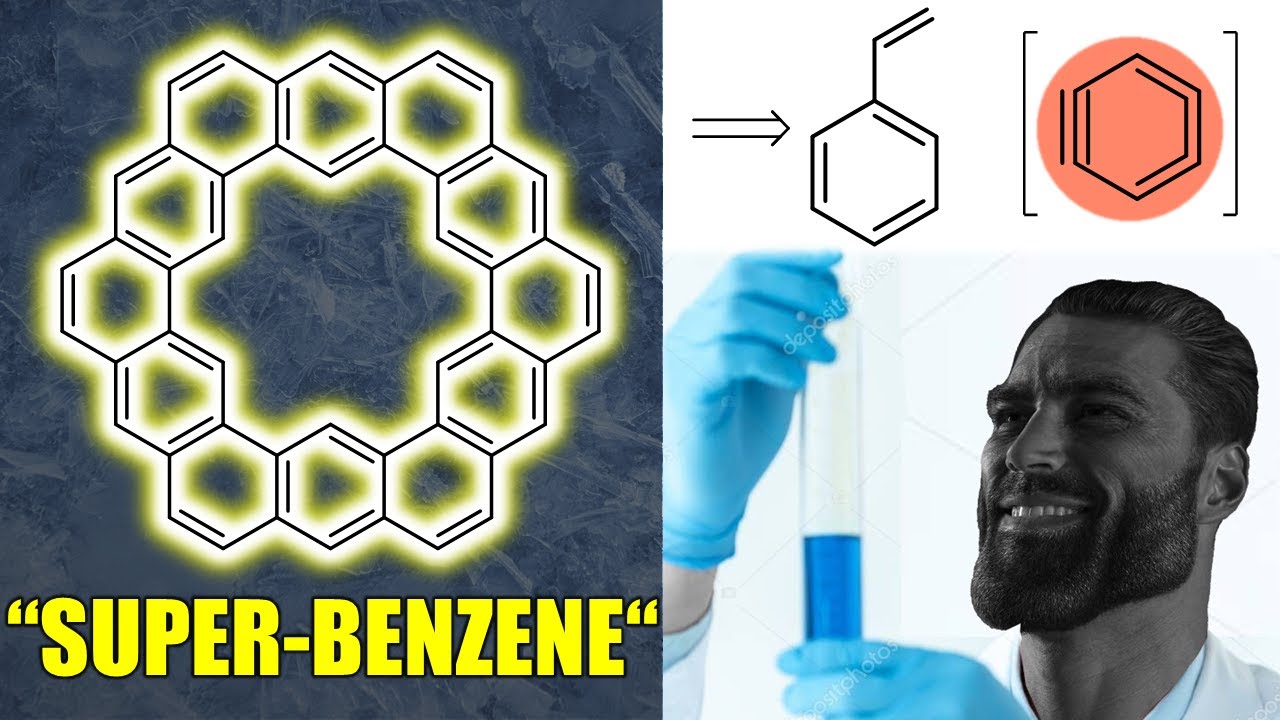
Bredt’s rule states that double bonds do not occur at bridgeheads of bridged rings.
BUT: “Anti-Bredt olefins” defy this rule. They are not often talked about, but chemists have known them for decades. In this post, we explain when Bredt’s rule becomes invalid – a good read for any student willing to go beyond their curriculum. This is particularly relevant as recent news headlines touted the “synthesis of impossible molecules” by chemists. More visuals can be found in my video on this topic.
Interactive 3D model of 1-norbornene, an anti-Bredt olefin
BredT’s rule: History and its original form
To understand Bredt’s rule, we need to go back in time. Julius Bredt was one of the oldschool German chemists of the 19th century, and much of his early work centered on the molecule camphor. This pleasantly smelling terpenoid natural product is found in camphor and other trees, and saw a move towards large scale use for the plastics industry in the 1870s. Various chemists proposed pretty freaky structures, including the legendary August Kekulé.
However, it was Julius Bredt who identified camphor’s real structure with a bridged bicyclic ring system. He would spend years validating his findings and correcting the errors of his predecessors.
Bredt’s famous rule originated from his in-depth camphor studies, as he was not able to synthesize certain derivatives as planned. One of the first examples was this anhydride with a double bond at the bridged position. Elimination of a brominated precursor, or alternatively a condensation reaction of an unsaturated precursor did not prove fruitful. After many synthetic attempts and encountering more quote unquote impossible olefins, Bredt formalized his guideline: bridgehead atoms of bridged rings cannot engage in double bonds.
Ring Strain in Bredt’s Rule
In his seminal 1924 paper, Julius Bredt had already correctly stated that ring strain is behind the apparent impossibility of these olefin compounds. But what is the source of that ring strain, and when is this rule really valid? And how strained are these forbidden rings really?
So we all know that a normal olefins are completely flat with a co-planar arrangement of substituents. However, involving a bridgehead creates an (E)-alkene where a substituent on one carbon is connected to a substituent on the other carbon.
If there are only few carbon atoms in this bridge, they would need to stretch out to ridiculous proportions to accommodate for this planar geometry. So, the molecule tries to find a middle ground regarding ring strain and distortion. This means our double bond is not coplanar but actually twisted. This twisting leads to a suboptimal overlap of the p-orbitals in the pi-bond, which is also destabilizing.
Speaking of p-orbitals, remember how normal alkenes are sp2 hybridized? In the anti-Bredt olefin, we see significant rehybridization to sp3 character as the carbons are pyramidal. This reorientation is key to boost the bond order to a surprisingly high value of 1.86. We have good evidence to believe this is a legit double bond and not something like a di-radical – more on this later.
We have seen why this system is destabilized or strained, but how strained is it? You might know that some thermodynamics shenanigans called homodesmotic equations can help out. Essentially, we are comparing the total strain energies of the saturated and unsaturated molecules to evaluate the pure strain contribution of the anti-Bredt double bond.
Such computations were established in the 1980s, as physical organic chemists tried to understand the limits of these olefins based on their size and strain energy. Here it becomes useful to quantify the size of a bridged ring by simply adding up the number of atoms in the bridges (referred to as S).
The pioneers found that the ring strain estimation can pretty accurately predict if an olefin is stable at room temperature, if it’s olefin observable only at lower temperatures, or if it’s so unstable that we can’t form it or observe it at all.
Key takeaway: Small bridged rings are very strained while larger bridged rings can increasingly accommodate the desired olefin geometry without all the energy penalties. This is why Bredt’s rule loses its validity in larger rings!
Dedicated to every chemistry and STEM student who asked: “Why did no one warn me?”
Quick knowledge test
Let’s briefly check whether you understood the concept or not. A typical exam question goes along the lines of: Does the alkene shown below violate Bredt’s rule? Look at the four olefins below and identify if they violate Bredt’s rule. Why (not)?
First examples of Anti-Bredt Olefins
The quest to find such larger rings (which don’t obey Bredt’s rule) started in the mid-20th century, with notable efforts from chemists Prelog and Ruzicka. Over time, chemists figured out that such rings even occur in natural products. Prominent examples are the anti-cancer compound taxol or the CP molecules which have a ring size S = 8.
Over the last decades, chemists brought forward clear evidence for these anti-Bredt olefins, even ones with S values below 7. Most of these used trapping experiments to capture short-lived anti-Bredt olefins, like 1-norbornene. In this case, the chemists ran a lithium-halogen exchange reaction of a di-halo precursor in the presence of furan. As they isolated the corresponding Diels-Alder adducts, it seems reasonable to assume that an anti-Bredt olefin with S = 5 was formed and very rapidly intercepted by furan.
Even more impressive is the case of this anti-Bredt olefin with S = 7. Considering the delicate nature of the product, it seems really ironic that the chemists made it by brute-force pyrolyzing this quaternary ammonium precursor through a Hofmann elimination. They also did some nice trapping, but even managed to get NMR data at -80 °C. This is really remarkable and only case to date of a theoretically unstable anti-Bredt olefin being observed directly. Evidently, using the total ring size S as proxy for stability does not work every time.
“Solution to the Anti-Bredt Olefin Synthesis Problem”?
So, we see that the question is not if anti-Bredt olefins can be made, but rather if there are more practical and useful approaches than what we know already. We might not be content with having to incinerate our molecules to get crappy yields of product in a soup of unwanted side products (e.g., due to their low stability, anti-Bredt olefins can intramolecularly rearrange).
Recent research by Garg used fluoride-mediated elimination to create the anti-Bredt olefins, but found that the relative stereochemistry was critical. You see, the precursor with an equatorial silyl group proved unreactive even under forcing conditions while its diastereomer was more useful. By computing the structures, the chemists realized that the reactive diastereomer features a relatively smaller angle between the silyl electrofuge and the leaving group. Because this is a syn-elimination that requires overlap of the carbon silicon sigma and the carbon-oxygen sigma star orbitals, a narrow angle is better. The equatorial diastereomer has a very large angle and low overlap, suppressing any reactivity.
The chemists optimized the conditions by using anthracene as a trapping agent. They found success with a low temperature option using the classic fluoride source TBAF, or alternatively a high-temperature option using a slow-release source of TBAF which helps to control the reaction. The high yield is remarkable as you would expect 16 hours at 120 °C to cause quite some damage. Well, it does not, and the experimental procedure is pretty simple.
So what’s the scope of this method? Other trapping agents were less efficient but still a major improvement to what we knew before – we have furan and its aromatic friends, as well as 1,3-dipoles. They also saw good breadth in terms of anti-Bredt olefins, with some larger and functionalized rings being tolerated. If you are paying attention, you will have noticed that the figure reports diastereomeric ratios of products. But what stereoselectivity does this even refer to?
Our anti-Bredt olefin is actually one specific diastereomer with the hydrogen retaining a pseudo-axial position after the initial elimination.
Remember how we said that instead of a coplanar geometry, we said the system is twisted to a significant degree? Well, the epi diastereomer with a pseudo-equatorial hydrogen would be even more distorted with larger twisting angles and pyramidalization. This elevates its energy and explains why we don’t see any cycloaddition adducts with an equatorial hydrogen at this carbon.
What happens if we use an olefin precursor with just one chiral center?
Here, the chemists synthesized the symmetrical [2.2.2] ring with high enantiometric excess through separation of diastereomeric derivatives. We’ve already seen the diastereoselectivity and stereospecificity of the reactions so it shouldn’t be too surprising: The chirality is fully transferred to the cycloadduct. This once again suggests a concerted elimination step and a chiral alkene with high barrier to racemization and a low, if any, diradical character of the anti-Bredt olefin.
Conclusion
So, we’ve known about small anti-Bredt olefins for a long time. This means Bredt’s rule was already plenty broken in the past. The new research confirms the current interpretation of Bredt’s rule: small olefins are unstable but not necessarily impossible to form. However, the new research adds very practical experimental methods and deeper computation understanding. Thus, anti-Bredt olefin intermediates might get into reach of synthetic chemists. However, the structures of the trapping products are not common so the utility is currently debatable. Maybe, this will encourage more rule-breaking in other areas. Only time will tell!
References on Bredt’s Rule
Generation of strained alkene by the elimination of .beta.-halosilane. On the nature of the double bond of a bicyclo[2.2.2] bridgehead alkene | JACS 1977, 99, 936
Did you know that while Coca Cola was getting consumers casually coked up in the late 19th century, chemistry titans were fighting an epic battle around cocaine synthesis? With a Nobel Prize on the line, the stakes were high, cocaine’s structural complexity was high… and everybody else was high too.
Keep reading to learn more about this molecule, as we dive deep into its history and chemistry. Regardless of if you’re a science nerd or amateur, you will learn a ton today – from nice history trivia and tales of careless, chain-smoking chemists, to innovative synthetic strategies that will remain classics in chemistry forever.
This post is purely educational.
Global cocaine use
So, what do the data tell us about cocaine? As one of the most abused substances globally, it’s clearly a huge problem. The number of users has increased faster than population growth. 30% of use comes from the US – and although popularity had been declining for some years, it has unfortunately rebounded more recently. There are no signs a slowdown. The UN even estimates that global use could more than double, in case emerging markets like Africa or Asia would intensify their consumption to similar levels like the Europe or US.
The world’s supply of cocaine originates virtually entirely in South America. The annual manufacture is at record levels of 2000 tons, which is a dramatic uptick from 2014, when the total was less than half as big. On the positive side, interceptions by law enforcement increased faster than production, with some countries seeing 5 to 10-x higher seizures.
Use isn’t everything. The number of overdose deaths involving cocaine has skyrocketed, notably in the US. This is due to the insane increase of synthetic opioids. The light pink line, which excludes these, suggests the US cocaine market has contracted from its peak.
Some researchers have even quantitatively investigated the link of mentions in song lyrics and substance use. The logic here is pretty simple. As rappers increasingly mention baking soda or coco in their songs, they contribute to cocaine popularity and associated deaths. According to the researcher’s statistic model, there is a 2 year lag before this kicks in. At least the use in lyrics seemed to have plateaued in their data.
On a more alarming note, use of even more dangerous crack cocaine has risen in the US and Europe. Compared to powdered hydrochloride salt, this free amine base reaches the brain quicker, making it far more addictive. But what mechanisms of cocaine make it so dangerously enticing for users?
As we will discover shortly, cocaine saw historical use as a local anesthetic. Cocaine stabilizes voltage-gated sodium ion channels in an inactive state. Cells lose their ability to propagate electrical signals, including pain response. Although some FDA-approved cocaine formulations exist, the medical use of cocaine is largely obsolete.
Cocaine’s mechanism of action
What about cocaine’s psychoactive effects? It acts at the synaptic cleft in the central nervous system by blocking certain transporter proteins. These transporters usually mediate the re-uptake of neurotransmitters serotonin, dopamine and noradrenaline. Cocaine mainly prevents reuptake of these agents, causing intense and extended stimulation of the nervous system. On one hand, this overstimulation messes with the body’s reward system. As we’ve seen in our ibogaine video, many psychoactive compounds influence a myriad of targets. The same is true for cocaine. For instance, it also binds opioid receptors – if you want to learn more, check out the literature.
The dopaminergic activity of cocaine makes it addictive, and repeated exposure leads to desensitization. This means people need larger doses to induce stimuli and fend off withdrawal symptoms. This is already problematic, but cocaine and its metabolites are also toxic for many organs such as the liver, brain or kidney. In the cardiovascular system, cocaine leads to an increased heart rate and blood pressure, while decreasing the supply of oxygen to tissues. Remember the sodium channel inactivation? This can change intracardial signals within the heart leading to dysrhythmias. The list of health risks is pretty long, so I hope we all agree that this is not worth it.
Discovery of Cocaine
But since when do we even know about the molecule cocaine itself? Meet the German chemist, Albert Niemann. Like many chemists we will mention today, he is not famous but actually quite the legend. He was in great company, as he was the graduate student of Friedrich Wöhler. This is the guy who synthesized urea – in 1828 from inorganic starting materials. This was a major milestone in organic chemistry, as it dispelled the vitalistic misconception that only living organisms could produce the organic chemicals of life.
Wöhler requested Karl von Scherzer to bring him some coca leaves. This Austrian dude was pretty much living the dream of every gen Z or millennial, as a nice inheritance gave him the financial freedom to quit his printing job and start traveling around. Instead of flying to Bali, von Scherzer participated in the first large-scale scientific expedition of the Austro-Hungarian empire in 1857. Coming home with a stash of coca leaves, he imported some of them into Germany. Just in time for a nice PhD project for Niemann. Although cocaine-enriched extracts were obtained from coca leaves in 1855 already, Niemann was the first to truly isolate and characterize the primary alkaloid. He unsurprisingly gave it the name cocaine and published his research in 1860, earning him his well-deserved PhD.
Niemann was a productive, top notch researcher. In the same year, he described the synthesis of mustard gas from sulfur dichloride and ethylene. Unfortunately, this might have been a case similar to Marie Curie. Niemann correctly noted the toxic properties of this blister agent which as many of you know, saw military use during the first world war. Niemann died shortly after in 1861 due to a devastating lung infection. Maybe, the exposure to mustard gas caused this?
After Niemann’s untimely death, another colleague in Wöhler’s research group concluded his research, determining cocaine’s molecular formula. It might ring a bell for more advanced viewers: this was the guy who coined the Lossen rearrangement reaction. Only thirty years later, Richard Willstätter determined its true structure. This gentleman is the main character of our story.
Early use of cocaine
Before we dive into the chemistry, we should note that the West rapidly embraced cocaine. Initially, it gained acclaim for its local anaesthetic properties, particularly for calming involuntary eye movements during surgery. This was a significant breakthrough! One funny article described it like this: Patients no longer merely endured nerve pain from having their eyes cut; they even chatted pleasantly during their procedures.
Cocaine also found an advocate in Sigmund Freud, the father of psychoanalysis. After using it himself as a stimulant for the smallest of problems, Freud naively recommended it as therapy for various uses, including morphine or alcohol addiction.
His personal positive experiences clearly blinded him, but pharmaceutical companies also paid him to promote their products. Over time, he could not ignore negative consequences such as addiction, leading Freud to eventually reconsider his stance.
Cocaine’s integration into society also took a significant leap with the creation of Coca-Cola in 1886. Originally formulated as a coca wine substitute, Coca-Cola contained coca leaf extract including cocaine, along with caffeine from kola nuts. Due to growing incidence of cocaine addiction, the allrounder power-drink eventually eliminated cocaine from its formula.
Cocaine synthesis: Willstätter’s Starting Material
Let’s talk chemistry. Willstätter didn’t just determine cocaine’s structure – he also completed the first total synthesis of cocaine. Prepare for a wild ride!
His synthesis started from cycloheptanone. But why?
Well, it conveniently brings the largest ring present in cocaine’s structure. Degradation studies by Willstätter, which we will not show in detail, already indicated that cocaine contains a seven-membered ring. To build up the structure back up, Willstätter had to painstakingly functionalize the ring, and create the important amine bridge.
Dedicated to every chemistry and STEM student who asked: “Why did no one warn me?”
Cocaine synthesis: Functionalizing the core
The first few steps included condensation with hydroxylamine and reduction of the resulting oxime to give the amino group. This new group was eliminated through the Hofmann protocol. It starts with exhaustive methylation to the quaternary ammonium salt, followed by elimination with silver oxide and water. Overall, these four steps gave cycloheptene.
You’re likely thinking – wait a second, why didn’t he just perform a Shapiro reaction to save some steps? Well, this reaction was only discovered in the 1960s, so Willstätter’s armamentarium of chemical reactions was limited.
One double bond is nice, but as you will see, we actually need three of them. Bromination gave the dibromide, temporarily removing the alkene. Addition of dimethyl amine led to substitution and elimination, giving a double bond. Before you get excited, this is not yet the amine for the tropine bridge. Rather, another Hofmann elimination gave the diene. Because this was such great fun, another bromination and elimination with quinoline as a weak base gave cycloheptatriene.
Now, kinda going a step backwards, the triene was reacted with hydrogen bromide. Due to the intermediary formation of the allylic cation, this regio-isomer is preferred as opposed to the other addition product. The newly introduced bromide group was substituted with dimethyl amin. At last, this is the amine that we need in cocaine. The next step was basically why the triene approach even worked. Reduction with sodium metal in ethanol reduced just one of the double bonds, resulting in a single isomer with the surviving alkene situated on the other side of the cycloheptane. Willstätter himself commented himself that selective reduction is strange. The last preparatory steps were a bromination of the remaining olefin to the trans-dibromide which also formed the ammonium salt. This was neutralized with sodium carbonate, regenerating the electron pair of the amine. This set up the critical step of the synthesis.
Intramolecular alkylation en route to cocaine
So, our molecule now has a potent nucleophile – the amine – as well as electrophilic carbon-bromide bonds. In the energetic ground state, the groups don’t get close so there’s no reaction. However, cooking things up in ethanol provides sufficient flexibility for the ring to distort and get the amine close enough for a transannular SN2 reaction with the anti-bromide. As we’ve explained in detail in a previous video, the reaction proceeds through back side attack and a pentacoordinate transition state. This synthesis is racemic – you can check for yourself that an inverted configuration at the amine leads to the same product as it simply kicks out the other bromide instead.
The product is obtained in roughly 30% yield and from what I could tell reading Willstätter’s work, it looks like he actually coined the term “intramolecular alkylation”. For 21st century chemists, this reaction looks simple, but for 1901, this is really insane foresight. Having created the tropane skeleton present in cocaine, we still have to demethylate the ammonium group, and functionalize the two ring positions.
Synthesis of Tropidine and tropine
To this end, elimination of the remaining bromide gave the double bond, setting up upcoming functionalizations. Then, the ammonium ion was converted to the neutral amine. Earlier, we’ve had the protonated amine which is why base was sufficient for neutralization. However, now we are looking at a tetra-alkyl ammonium. So, chloride anion exchange and heating removed one of the methyl groups via intermolecular SN2 reaction.
How do we wrap up the synthesis? Well, instead of the alkene, we need an ester and a hydroxy group that we can benzylate. High school chemistry tells us that we can easily add water to double bonds, but in this case, a direct hydration was impossible. Instead, this conversion took two steps. First, exposure to hydrogen bromide gave the secondary bromide. Under acidic conditions, hydrolysis of the bromide gave the alcohol.
Willstätter and Ladenburg: Two Titans Clash
This step took quite some experimentation to get right, and actually it was a source of dispute between Willstätter and Albert Ladenburg, another German chemist. Ladenburg had claimed the direct synthesis of the alcohol under cold hydrobromination conditions more than a decade earlier. Willstätter criticized it, claiming year-long experiments did not replicate his findings.
Very sneakily, Ladenburg updated his experimental procedures in later publications – saying they were included insignificant modifications. However, Willstätter saw this as a copy of his own research. His procedure strictly required acidic conditions and heat. To him, Ladenburg was hoping to cover up unsuccessful, fabricated findings without drawing too much attention.
This was not the end – within the same year, Ladenburg retaliated, accusing Willstätter of defaming him by using cheap tricks. He claimed to had repeated the synthesis, not specifying what small amounts of tropine mean, and again downplaying his modifications. I checked his OG report and while correct that he explicitly mentioned use of increased temperatures, he did not add acids or water. You would not call me crazy when I say that Willstätter’s conditions in blue look pretty important to enable hydrolysis of the bromide.
I’m sparing you the details – but this story really shows how challenging old school chemistry was. Good luck proving that someone did or did not synthesize a structure when the characterization method was doing random characterizations of platinum salts. Basically, Ladenburg was like trust me bro, I know these platinum salts very well.
To him, this was bullet-proof evidence, and he concludes his position as arrogantly as he could. I didn’t check subsequent correspondence but a web-text on Ladenburg noted that he had quite some personal hostilities, so I’m not surprised.
My vote goes to Willstätter. Ladenburg, again in peak 1900s style, used the low volatility of his putative tropine product as an argument to prove its identity. Turns our whatever Ladenburg had, it was not tropine, as Willstätter showed that tropine is in fact volatile. Ladenburg hid his sneaky changes to such a degree that even a gentleman reviewing and writing about the procedure did not catch the changing method. Although you might not like Ladenburg knowing this, we have to give credit where credit is due.
He was in fact the first chemist to synthesize an alkaloid. This means he is one of the founding fathers of total synthesis. Starting from 2-methyl pyridine, he synthesized coniine – a simple but toxic alkaloid – in two steps. First, a condensation reaction delivered allyl pyridine and second, complete reduction with sodium gave the target. Given the condensation required 250 °C, you won’t be surprised that the yield was “pretty bad” as Ladenburg put it – 45g out of 1kg of educt. Just like today’s synthetic chemists struggling in total syntheses, he had to perform multiple reaction cycles by recovering unreacted starting material. Ladenburg also managed to separate the enantiomers through separation of diastereomeric tartrate salts.
Cocaine Synthesis: final Steps
Back to cocaine. The conversion of tropidine to tropine was actually the missing link. Willstätter himself proudly concluded his report that this step completed the total synthesis of various alkaloids, including cocaine. The remaining steps were already known so the synthesis was not discovered linearly. Let’s see how we can wrap things up. Of course, the newly formed hydroxyl group could be benzylated but that wouldn’t help us with the missing ester group.
Thus, the hydroxyl group was first oxidized to the ketone which allowed alpha-functionalization. Nucleophilic addition of the enolate with CO2 creates the last important C-C bond. The addition is diastereoselective for the axial product, opposite to the rest of the tropine skeleton.
Instead of direct esterification, the ketone was reduced first. You might be surprised, wondering why the hydride now has added from the bottom face? Don’t forget the bunny ears! In the equatorial product, the hydrogen enjoys almost perfect alignment with one of the oxygen’s lone pairs, leading to a short and strong intramolecular hydrogen bond. However, the reported yield was low with no info on product ratios, so we can’t really say what was thermodynamically or kinetically favored.
The last steps were pretty simple. First, the methyl ester was completed through acidic Fischer esterification. Finally, addition of the activated reagent benzoic anhydride introduced the benzyl group, concluding the first total synthesis of cocaine. All in all, Willstätter’s effort spanned roughly 23 steps, and the net yield must have been horrendous.
This wouldn’t be a century-old tale without the chemists trying their synthetic cocaine, noting a bitter taste and characteristic feeling on the tongue. Willstätter elucidated and/or synthesized other important molecules, including proline and cyclooctatetraene. He received the Nobel Prize in 1915, primarily actually due to this research on the structure and function of chlorophyll.
Robinson’s Cocaine Synthesis (1917)
Willstätter’s total synthesis was remarkable feat of skill and perseverance, with the majority of the effort focusing on the synthesis of tropinone. Unfortunately, there’s always another chemistry legend out there getting ready to ruin your career. We’re talking about Robert Robinson, well known for his own Nobel Prize and coining key chemistry concepts we still use today – such as curly arrows representing electron movement.
Robinson published research in 1917 that made Willstätter’s signature efforts look pretty outdated. Robinson didn’t hold back, noting that the method was so complicated that he didn’t even bother to recall it in detail. His argument was that the long and low-yielding synthesis did not represent an economically workable alternative to natural sources.
Robinson’s breakthrough finding was a one-pot reaction of three components, giving tropinone in an impressive 42% yield. If haven’t seen this one before, feel free to pause the video right now, and think about a potential mechanism for this reaction.
The reaction starts off with condensation of the nucleophilic methylamine to one of the electrophilic aldehydes. After loss of water, the intermediary imine is still nucleophilic and can form a ring by a second addition – turning it into a positively charged electrophile. The enol tautomer of the acetone dicarboxylate steps in and adds to the iminium in an intermolecular Mannich reaction.
Due to the carboxylate groups, the acetone reagent functions as a di-anion equivalent. After the addition, we can have a decarboxylation of one of the groups, and reprotonation. As the nitrogen regained its electron pair after the first Mannich reaction, it can kick out the adjacent hydroxyl group, creating yet another electrophile that is ready to undergo a second, now intramolecular Mannich reaction. A second decarboxylation affords tropinone in a process that is, as we would all agree, much simpler than Willstätter’s approach.
Noyori’s Cocaine Synthesis (1974)
Note that by the early 20th century, the use of cocaine was peaking. Newspapers were filled with ads promoting the drug, and people were using it either recreationally or ironically, to overcome morphine addiction. Thousands of deaths from cocaine abuse prompted the US to regulate the drug in 1914. This removed cocaine from over-the-counter remedies and consumer products.
How did the chemistry evolve? For the sake of science of course, many chemists tried to synthesize tropane alkaloids in a more efficient manner. One elegant approach was described by Noyori in 1974, who is well known for his discovery of asymmetric hydrogenations. This won him the Nobel Prize together with Knowles in 2003. 1974 was actually the year when Noyori and co-workers initiated the synthesis of BINAP diphosphane.
Just like Robinson, Noyori attempted to simplify the synthesis of tropinone – the intermediate that Willstätter only accessed painfully over dozen steps. He disconnected the same bonds but instead of Mannich reactions, he employed a cycloaddition to link the ring. Don’t blink, because this one is also very short.
The reagent diiron nonacarbonyl is a reactive source of iron(0) which can reduce the tetrabromoacetone to an oxyallyl intermediate. A [4+2] cycloaddition with a pyrrole creates the tropane structure. If you’re confused by the charges, the addition does form a positive charge on the central allyl carbon but the negative charge on the oxygen regenerates the ketone. Two reductions gave tropine – first, the superfluous double bond and bromides were removed with hydrogenation, and second, the ester was reduced to the methyl group.
Why even have these extra bromo groups and ester in the first place? Well, initial attempts with dibromo acetone instead of tetrabromo acetone as a precursor did not form the oxyallyl intermediate. Similarly, the direct use of N-methyl pyrrole led to electrophilic substitution products on the pyrrole, as opposed to cycloaddition. It makes sense use of the ester deactivates the pyrrole, taming its reactivity for substitutions. Noyori nicely overcame these challenges, but just like all other syntheses, the value of this synthesis was primarily in the chemistry, rather than allowing easier access of cocaine.
Cocaine Biosynthesis
As a side note on biochemistry, the biosynthesis of cocaine only fully solved in late 2022. This research showed that the biosynthesis of tropane alkaloids from different plant orders – here in green and pink – uses unique enzyme classes but arose independently at least twice during the evolution of land plants. Similar to Robinson’s one-pot tropinone synthesis, we have an electrophilic iminium which reacts with an activated nucleophile. However, compared to Robinson’s electrophile, this iminium is not doubly activated. This means that there is no dual addition and decarboxylation. Instead, there is enzyme magic to oxidize and cyclize the tropane ring. If you are interested in biosynthetic pathways, you can check out the clever isotope-labelling experiments which elucidated some pieces of the puzzle already in the mid-20th century.
Cocaine synthesis via Engineered Tobacco?
Many organic chemists think biochemistry is boring but check this out. By understanding biosynthetic pathways, scientists have recently genetically engineered tobacco plants to produce two new enzymes in their leaves.
This is far too complex for large scale criminal synthesis of cocaine, but pretty cool. Agrobacteria can transfer and insert parts of its DNA into plant cells – giving tobacco the tools to synthesize cocaine. In a funny parallel to the chemical synthesis of cocaine, the last step is a benzoylation. Tobacco produces endogenous benzoic acid, but the plants were treated with additional benzoic acid to further double the cocaine yield – which is way higher than I would have predicted.
Congrats, you now probably know more about cocaine than everybody else you know. Thanks for following my content, and see you in the next one!
If you are interested in the academic synthesis of psychedelics, check out the discussion of ibogaine, psilocybin, MDMA or THC-P.
Cocaine synthesis references
– UNODC, Global report on Cocaine 2023 (United Nations publications, 2023) – Estimating the incidence of cocaine use and mortality with music lyrics about cocaine | npj Digital Medicine 2021, 4, 100 – Cocaine: An Updated Overview on Chemistry, Detection, Biokinetics, and Pharmacotoxicological Aspects including Abuse Pattern | Toxins 2022, 14, 278 – DARK Classics in Chemical Neuroscience: Cocaine | ACS Chem Neurosci 2018, 9, 2358 – Cocaine Use Disorder (CUD): Current Clinical Perspectives | Subst Abuse Rehabil. 2022; 13: 25 – Ueber die Einwirkung des braunen Chlorschwefels auf Elaylgas | Justus Liebigs Annalen 1860, 113, 288 – Synthese des Tropidins | Ber. Dtsch. Chem. Ges. 1901, 34, 129 – Ueber die Umwandlung von Tropidin in Tropin | Ber. Dtsch. Chem. Ges 1902, 35, 1870 – Umwandlung von Tropidin in Tropin | Ber. Dtsch. Chem. Ges 1902, 35, 2295 – Synthese der activen Coniine | Ber. Dtsch. Chem. Ges 1886, 19, 2578 – Richard Willstätter and the 1915 Nobel Prize in Chemistry | Angew. Chem. Int. Ed. 2015, 54, 11910 – A synthesis of tropinone | J. Chem. Soc., Trans., 1917,111, 762 – New, general synthesis of tropane alkaloids | JACS 1974, 96, 3336 – Elucidation of tropane alkaloid biosynthesis in Erythroxylum coca using a microbial pathway discovery platform | PNAS 2022, 119, e2215372119 – Discovery and Engineering of the Cocaine Biosynthetic Pathway | JACS 2022, 144, 22000 (not 21809)
Do you struggle to comprehend the SN2 mechanism, or the difference between SN2 vs SN1? You are not alone! All of us need models and practice to understand what the molecules look like in their 3D structure. On my channel, you can find some more visual explanations and animations that might help.
SN2 Mechanism: it takes two to tango
Our first model reaction is the nucleophilic substitution of 2-bromobutane with the phenolate anion, also called a Williamson ether synthesis.
2-Bromobutane is chiral as one of the carbons has four different substituents. We are looking at the (R)-enantiomer here – this will be important for the stereospecificity of the reaction. Electrophiles provide the LUMO for reactions, in this case the antibonding sigma star orbital between carbon and our leaving group. Note that bromide and iodide are particularly potent leaving groups due to high acidity of conjugate acids but also weak bonds with carbon. This is due to weak overlap of atomic orbitals, resulting in a low-energy sigma star that is accessible to our nucleophile, phenolate.
This electron-rich anion is completely planar due to conjugation of one of the oxygen electron pairs with the aromatic ring. Its HOMO is localized on the oxygen as you would expect – but we can also nicely see resonance with delocalization across the pi-system.
SN2 Transition state
To ensure decent orbital overlap, the substitution proceeds via back-side attack. Because the nucleophile needs to get pretty close to the already tetrahedral carbon, steric factors are more important for the SN2 reaction compared to SN1.
The SN2 mechanism proceeds in one concerted step with both electrophile and nucleophile present in the transition state – that’s why we call it 2, for bimolecular. The carbon-bromine bond is partially broken, and the carbon-oxygen bond partially formed. Remember that is just a transient energy maximum and not a real intermediate, carbons are never actually five-coordinate!
After the transition state, the product moves to a more comfortable conformation but importantly, features the inverted stereochemistry due to back side attack. This changes the (S) enantiomer in the starting material to the (R) enantiomer product. As a good leaving group, the bromide anion enjoys its solitude and buzzes off.
Dedicated to every chemistry and STEM student who asked: “Why did no one warn me?”
Steric effects in SN2 substitutions
Due to the five-coordinate transition state, more sterically hindered substrates react much slower or not at all. While it’s not intuitive on paper, the model nicely visualizes that surrounding substituents can block the nucleophiles back side attack. There’s simply too much unwanted repulsion. Instead, depending on reaction conditions like solvent polarity, we would see more step-wise SN1.
Intramolecular SN2 reaction Mechanism
Let’s look at a slightly more advanced example. I’m TotalSynthesis, so I just had to take a cute natural product that was isolated from random tropical algae in Brazil. As fate wanted it, this also has a secondary alkyl bromide, so it fits perfectly.
We’re interested in this epoxide opening step as it showcases a common question on diastereoselectivity. The reaction is intramolecular but is pretty similar to a SN2-type reaction. Given our fixed starting configuration, the side chain and the nucleophilic alkoxide hover on the bottom side of the ring.
As you can see, the nucleophile has a perfect position for the backside attack, leading to the 1,2-anti product. The leaving group is now much worse than bromide, but relieving the strain energy present in the epoxide drives the reaction forward.
Is there another potential substitution? Indeed, the other epoxide carbon is also an electrophile. However, the methyl group at this position adds some steric hindrance. Given the quaternary center, this substitution could also proceed stepwise or “asynchronous”, with C-O bond breaking being more advanced prior to addition.
Taking the longer approach forms a 7-membered ring. Compared to the six-member ring on the right, it’s not as rapidly formed or as stable – but the pathway is still significant with 19% yield.
After six additional reactions, a surprising twist showed that the original proposal was incorrect. It turned out this unique natural product never existed to begin with! Instead, it was a mis-assigned, already known molecule, which is even a bit cooler given it includes two bromides and even a chloride. Well, it happens to the best of us.
I’m looking forward to explaining simple, beginner-level content in addition to my other educational videos. Let me know if this helped you!
In this post, we will look at MDMA’s history and its chemical syntheses. We will dispel myths about MDMA’s discovery and review the first kilo-gram scale MDMA synthesis published in a journal. We also dissect impressive recent clinical data that suggest ecstasy might help up to millions of people affected by PTSD. This might not be surprising if you’ve seen our discussion of psilocybin, ibogaine or LSD.
How to Make MDMA?
I’m not sorry to disappoint you. This is purely educational and not a DIY-tutorial for illegal clandestine synthesis. Also, don’t use this information to rationalize your drug use. Long-term and side effects of MDMA can be severe and regular use is discouraged even by clinical advocates.
MDMA history
The origin of MDMA has quite some tales associated with it. For example, crediting various German scientists with its discovery, even though no documentation or basis for this can be found. MDMA also was not intended for use in World War 1. However, there was quite some military experimentation on stimulants later on in the 1950s. The first point at least goes in the right direction, but the history is much more intriguing than this.
The story actually starts with hydrastine, an anti-hemorrhagic natural product isolated from some random plant. By the 20th century, this drug became more expensive because the plant was becoming rarer and cultivation attempts failed. Therefore, the German company Merck was interested in finding ways to chemically synthesize it. They had a chad chemist reach out and offer a new, cheap synthetic procedure for hydrastine. For some reason, this guy signed the contract with Merck’s competitor Bayer which is quite funny. So the Merck scientists now had to find some new anti-hemorrhagic agents or new syntheses.
You can appreciate that hydrastine is basically a more beefed up version of MDMA. Not too shockingly, the Merck scientists produced MDMA as a side product, and were not interested in it at all. While their 1912 patent refers to MDMA’s structure for the first time, they did not pursue or test it. Thus, the first MDMA publication and synthesis was published only 50 years later. Things gained traction from there on.
MDMA Synthesis from Safrole
Let’s check out three syntheses of MDMA starting with Merck’s synthesis from 1912. Second, we will review a late 20th century approach and third, look at the 2022 kilo-scale MDMA synthesis. There are other clandestine methods, actually mentioned in quite a few papers, but obviously we will not discuss this here.
So safrole is a natural product used in the first half of the 20th century as a food flavor. 50 Cent would likely agree, it has a nice candy shop aroma. Human consumption was banned after people realized it increases rates of liver cancer. Feels like half of pesticides and food ingredients have the same story… Safrole was the starting material for Merck, but it can also be made synthetically in a few steps. Starting from Catechol, a double SN2 reaction forms 1,3-benzodioxole. Then, mono-bromination with NBS gives the aryl-bromide. Treatment with magnesium converts into a a Grignard reagent and used in a nucleophilic substitution with allyl bromide.
From safrole it’s only two steps: first, a normal Markovnikov-selective hydrobromination, and another SN2 with methylamine to get MDMA. Optionally, you can also throw in a Finkelstein halogen exchange to get better yields in the substitution.
MDMA Synthesis from Piperonal
The second synthesis from piperonal starts with a Henri condensation reaction, creating a nitro-olefin. This can be reduced in acidic conditions to the ketone and a reductive amination with methylamine gives MDMA. So this synthesis uses a bit less bromines but more redox chemistry.
Large Scale Synthesis of MDMA
The final synthesis is pretty sweet. It was published in 2022 by the MAPS PBC. This is a biopharma company and subsidiary of MAPS, a non-profit working to raise awareness and understanding of psychedelic substances. They required large amounts of MDMA to supply their two Phase 3 clinical trials, which we will check out shortly. This is the first-ever document kilogram scale preparation of ecstasy. The product is appropriate for clinical and potential licensed therapeutic use due to the process’ validation and GMP compliance.
Safrole and piperonal are controlled substances and thus highly regulated and difficult to obtain. Instead, the chemists used an arylbromide (an intermediate towards safrole) that is commercially accessible. This synthesis is similar to others we saw but comes with a twist. It starts again with a Grignard reaction but this time, with 1,2-propylene oxide as an electrophile. This epoxide nicely introduces the rest of the aliphatic chain, leaving a secondary alcohol which can, similar to other syntheses, be oxidized to the ketone. This ketone could be used without any purification in the final reductive amination step. You can check out the paper for more info – they go into some more details on validation and impurities. The experimental procedures are quite funny to read, as they ultimately isolate 3.6kg of MDMA HCl salt with over 99.4% purity.
Dedicated to every chemistry and STEM student who asked: “Why did no one warn me?”
PTSD Disease Burden
So they put in a lot of effort in this process – but why is it worthwhile to look at PTSD? As crazy as it sounds, 6-7% of people in the US experience PTSD at some point in their lives, with about 1/3 of cases classified as severe. Often, there are other conditions decreasing chances of successful therapy, so these high-risk patients need more effective treatments. Just as a side note, this did remind me of other shockingly high estimates from the US National Institute of Mental Health – for example, they also state that 19% of adults experience what they termed “any anxiety disorder” per year. This is probably exaggerated, of course anxiety is human but proper clinical disorders are probably not affecting 20% of adults every year.
As a last reason, many patients do not respond to first-line treatment with SSRIs – most notably, those are sertraline and paroxetine. The latter was actually part of the massive $3bn fraud settlement due to unlawful promotion and failure to report safety data. You might know that SSRIs are used in various depressive and anxiety disorders, so it would be nice to have a more targeted therapy or intervention. That’s why MAPS has been supporting MDMA clinical trials as early as 1992. All their advocacy and support culminated in two large-scale Phase 3 trials which were recently completed – we will dissect one of them.
MDMA-Assisted Therapy for PTSD
Let’s talk about study design before going into results – after an initial wash-out of any other psychiatric medications, patients went through four blocks consisting of various therapy sessions. The important points are the red experimental sessions – corresponding to the three occasions where patients in the treatment arm received an 80-120mg dose of MDMA. The individual therapy sessions consisted of supported introspection, experience sharing and probably some other things, and were conducted by trained clinical teams.
This was a placebo-controlled Phase 3 study, so the total 90 patients were randomized to two trial arms. You can see that the patients in each trial had quite comparable characteristics, which obviously is important if you want to compare the effect of a medication – for example, the average duration of PTSD was around 13-15 years for both segments, although there was quite a large variation. From a trial endpoint perspective, there are two important measurements to look at. The CAPS-5 score is based on a semi-quantitative questionnaire that sheds some light on how bad the PTSD is – a score in the 40s, as present in the trial baseline, means very severe PTSD. The Beck Depression Inventory score tells you how depressed someone is – here a score above 30 is also severe.
MDMA-Assisted Therapy for PTSD
How did these severely affected patients they respond to MDMA-supported therapy? Both PTSD severity and depression scores decreased significantly from baseline until end of the last therapy block. You can see that normal therapy also improves outcomes, so these seemingly fluffy therapy sessions are useful – but the effect with MDMA on top is clearly higher. At the end of therapy, patients in the treatment arm were much better off (only mild to moderate PTSD, lower depressive symptoms). Please note that guided therapy was still needed, so just taking MDMA wouldn’t have the same effect and could make it even worse.
While there were quite a few non-responders and only few patients in remission for placebo with therapy, the MDMA group had almost 40% of people completely PTSD-free and only few not responding at all. The nice thing was also that MDMA had an equally positive effect in high-risk people with other disorders, including the especially difficult-to-treat dissociative subtype of PTSD.
Last, MDMA had a quite good safety profile. Side effects like muscle tightness or appetite loss were more frequent in the treatment arm but most are harmless. I would guess that you would rather lose appetite and have some tight muscles, than be afflicted with severe PTSD. More severe adverse events, like suicide attempts or self-harm were actually only observed in the placebo control, probably because their intervention was less effective. So at least in the short-term, there were no concerning safety signals.
It is still a mystery how this works physiologically, but the literature speculates MDMA might reopen a window of neuroplasticity that allows for processing and release of fear and other emotions. Doing so, MDMA might support and catalyze therapeutic processing by allowing patients to stay emotionally engaged while revisiting traumatic experiences without becoming overwhelmed.
MDMA FDA approval in 2024?
The FDA already granted MDMA-assisted therapy a break-through designation in 2017 – so with this promising data in hand, MAPS PBC is expecting to file for FDA approval in late 2023. It will be interesting to see how they decide on this. Let me surprise you with another score which I intentionally left out earlier for simplicity, the Sheehan Disability Scale. This is measures how well an individual functions in key life dimensions, and it seems like MDMA-assisted therapy could also help thousands or millions of people become more functional and independent in their daily lives. Supposedly, US veterans report service-related disabilities that cost the government $73 billion per year. A sizeable chunk of these costs are probably due to PTSD, which might also encourage the FDA to approve MDMA-assisted therapy, at least for high risk patients.
I think this was quite a nice journey, going from almost ancient chemistry to modern clinical outcomes. Thanks for reading and until next time!
This educational article covers a published synthesis of lysergic acid, the precursor of the psychoactive drug lysergic acid diethylamide or LSD.
A team of chemists recently reported a synthesis of LSD in only 6 laboratory steps! We will look at the chemistry behind it and uncover some other insights – for example, how do chemists measure how trippy a molecule is?
Rationale for LSD synthesis
So these scientists, are they a bunch of Breaking Bad wannabes or why would they investigate even more chemical syntheses of LSD? Well, LSD derivatives such as bromocryptine can be pharmacologically useful for treatment of neurological, metabolic and other disorders. This means we want to get more efficient at making LSD-like scaffolds for drug discovery.
In 2020, there was an interesting structure-activity relationship study. It showed for the first time that psychedelic compounds, such as derivatives of DMT, can be engineered lose hallucinogenic side effects while retaining their useful psychoplastogenic properties. The left-hand side 5-methoxy-DMT makes you trip. The isomer with the methoxy substituent shifted by just one carbon, does not. While this might be disappointing for some of you, it’s obviously better if patients are not hallucinating weird shit after taking their pills.
If you wondered – trippy-ness can be estimated by looking at how often mice violently shake their head after administration of psychoactive drugs. This is a well-validated proxy for hallucinations and was first established already 70 years ago! You can see that while 5-methoxy-DMT leads to head twitching, the 6-methoxy isomer has no significant hallucinogenic activity. There’s actually a nice concentration-dependent relationship.
Six-Step Synthesis of Lysergic Acid
So how does this super-quick route look like? This synthesis builds on a key intramolecular Heck reaction which creates the key vinyl bond that is present in LSD. This Heck-approach is not an invention of the 2023 synthesis, as it had been used in previous, longer syntheses already. However, this route efficiently traced the intermediate back to this indole containing. This starting material can be bought commercially and conveniently has the bromo group for the Heck reaction. Obviously this makes a lot more sense than unnecessarily taking apart the indole ring. Let’s take a closer look at the specifics of this synthesis.
The first step was a magnesium-halogen exchange of this iodopyridine to create a heterocyclic nucleophile. This one is happy to attack the electrophilic carbon of the functionalized aldehyde, leaving a hydroxyl group in the product. As you might remember, there is no oxygen in LSDat this position. Thus, the next step simply removed this group by reduction with triethylsilane.
The acid used in this step removed the N-Boc protecting group, so they re-installed afterwards. After this protection, the most nucleophilic group is the pyridine nitrogen – so it was methylated with methyl triflate. This gave a pyridinium salt which was reduced by sodium borohydride. Two hydride equivalents attack the ring: The first one gives the reduced tertiary amine that is part of LSD. The second hydride reduces one of the double bonds, leaving the alpha-beta unsaturated ester. All of this happened in the same reaction vessel. But still, the authors were a bit sneaky to categorize this as just one single step.
But wait – to enable the key Heck coupling reaction, the olefin actually needs to be located at the other carbon. They achieved this by using LiTMP as a strong base. The resulting isomerized anion which can be protonated in a diastereoselective manner. The desired isomer has the ester on the same side as the existing hydrogen of the 6-membered ring. While the preference isn’t great, they formed it in slight excess over the undesired one. Conveniently, they found subjecting it to the same conditions recycled some of it to the desired product.
The Heck reaction proceeded with the standard mechanism. Oxidative addition of Pd(0) allowed for olefin insertion and creation of the C-C bond in blue. Now, given there are two beta-hydrogens available, there are two pathways towards elimination. There’s the orange hydride elimination, and the pink one, which is preferred in a rough 1 to 3 ratio. Note that the stereochemistry of the ester became wobbly again the orange product. This is because the reaction occurred at a 100 degrees with mild base with some isomerization taking place.
Even though we end up with three different products, it’s no big deal. They simply added potassium hydroxide to all, and heated things up to get to lysergic acid in around 50% yield. This is double-deprotection and isomerization. Natural products are usually stable isomers so it’s not surprising that the isomerization forms the configuration present in LSD preferentially. Unfortunately, their final product is not so satisfying as they only isolated a brown solid. I don’t suggest supplying this to the dangerous dealer in the neighborhood. I’ve seen some procedures getting nice white crystals but these folks didn’t care too much about ultra-pure product.
Lastly, they showed that this synthetic route could be useful to explore and study LSD analogs – remember the methoxy-substituted DMT structures at the start? The started with a chloro-substituted indole starting material and replicated the reactions – including the Heck reaction – to create a C12-cholor-lysergic acid derivative. Theoretically, you could create different LSD analogs now by functionalizing the aryl chloride – which might help scientists find future drugs based on LSD with differentiated therapeutic profiles.
The thalidomide tragedy was the biggest “man-made disaster apart from war”.
This molecule’s structure looks simple and innocent, but a chiral carbon gives rise to two enantiomers with different pharmacological effects. While one isomer was a safe sedative, the other one led to limb malformations in thousands of babies. We will check out how this works exactly, but notably, the enantiomers interconvert in the body so there’s no way to control them.
Get this: Despite increasing doubts of its safety, the US distributor of this horror drug aggressively pushed for its approval simply to maximize sales over Christmas!
If you think the heart-breaking tragedy sealed thalidomide’s fate, you couldn’t be more wrong. Half a century after the tragedy, it generated up to $500million sales for a pharma company! But wait, there’s more. A slightly modified, much more expensive version of thalidomide brought in eye-watering 12 billion dollars.
How is it possible that the same drug which inflicted so much damage revived and even influenced one of the biggest acquisitions in pharma history? As we will see, the answer is glue – no joke. The story of course wouldn’t be complete without classic big pharma monopoly games and price hiking. And let’s not forget everyone’s favourites – lawsuits.
In this post, we will go through history, biology, organic chemistry and pharmacology of thalidomide and its many cousins. You will also appreciate some paradoxical and morally questionable aspects of drug development.
What is Thalidomide?
Let’s get into it. Thalidomide has a very simple chemical structure. In the 1950s, the relatively small and inexperienced pharmaceutical company Chemie Grünenthal looked for new antibiotics. Instead of antibiotic activity, thalidomide seemed to be a great sedative and help with sleep or nausea. Unfortunately, it doesn’t help the story that some of Grünenthal’s leaders were ex-Nazi scientist. The research head Mückter was involved in death camp experiments and made bank during his tenure. It started all rosy. Initial safety tests in mice and rats showed good tolerability and no side effects even at remarkably high doses. Back then, you didn’t have to understand how drugs worked at all. So, thalidomide was dubbed completely safe and aggressively marketed in 1957.
It quickly became Germany’s second best-selling pharmaceutical, just behind Bayer’s Aspirin.Ironically,safety was one of its key marketing messages. Many pregnant women used thalidomide for morning sickness. The lack of toxicity was convenient as unlike barbiturates, this agent couldn’t be misused for suicide attempts. However, over the next two years, sudden increases in cases of usually rare limb defects were detected in newborns.
It’s less known that there were prettyearly findings of teratogenicity and neurotoxicity from various researchers. Some of them, like these observations on tad poles, were shared with Grünenthal already in 1959 – with no response.
Thalidomide Side Effects: Beginnings
Because the incidence of deformations increased so unprecedently, German paediatricians suspected an environmental factor. In late 1961, thalidomide use by mothers during early pregnancy was the common factor. Only later did we find out that deformations were actually just the tip of the iceberg. Thalidomide induced many more miscarriages and less obvious defects like organ problems. After increasing noise on the issue, the German government pulled the drug off the market against the company’s wishes. The adverse impact of early use is so high that even a single tablet was enough to induce pregnancy loss or abnormalities – but why? To understand, we need to recap two topics.
First, we need to know about the ubiquitin proteasome system, basically, cellular garbage management. Some of you might remember the process from your biochemistry classes.
The process starts with very few, so-called E1 enzymes which are activated with ubiquitin, a small regulatory protein consisting of roughly 80 amino acids. This green ubiquitin tag is ultimately what directs the degradation of target proteins. As you can imagine, there are thousands of proteins that the cell might want to be able to degrade. However, it would be challenging to do this specifically if all you have are a few different E1 enzymes. This is ubiquitin groups are cascaded to a broader variety of E2 conjugation enzymes which finally put the tag on more than a thousand so called E3 ligases. These enzymes recognize specific substrates and upon addition of enough ubiquitin tags, the proteasome shreds up their targets into smaller peptides.
Second, we need to know about molecular glues. These work exactly like you would think. The glue molecules bind between two different proteins, aggregating or gluing them together. This can lead to several effects, but targeted protein degradation is the most important one.
How does this relate to thalidomide? Well, the molecule binds to the protein cereblon which is part of a E3 ubiquitin ligase complex. Once bound, it can act as a glue between cereblon and neo-substrates, innocent molecules. This exposes them to the E3 ligase machinery, so they are ubiquitinylated and degraded.
Remember that the adhesion arises from nuanced interactions between functional groups of the molecular glue, cereblon in purple, and its neo-substrate in green. We don’t know the natural targets of cereblon but amongst others, it’s critical for brain development, hence its name.
Thalidomide Side Effects: Cereblon
By acting via cereblon, Thalidomide-initiated protein degradation influences the body’s immune system (immunomodulatory drug). The mechanism is very complex, but one of the innocent casualties is SALL4. This is an important transcription factor that governs gene expression for normal limb development. Its absence results in deformations which is why thalidomide proved so dangerous for pregnant women. Actually, genetic deletion of SALL4 replicates a similar phenotype. But why was this missed by Grünenthal? A critical piece of information that was not known in the 1950s – rodents are resistant to thalidomide’s teratogenicity. This explains the absence of safety signals, even at high doses. Only later did people figure out that rabbits or chickens are more sensitive animal models. Why?
The susceptibility comes from a single amino acid difference in cereblon sequences. Primates and rabbits with a valine suffer thalidomide embryopathies – while rodents with an isoleucine did not show any safety signals. Interestingly, the bushbaby bears an isoleucine and is the only known resistant primate. Scientists demonstrated that mutant mice with an unnatural valine at the position become sensitive. Compared to wildtype mice, they showed statistically significant higher miscarriage rates. This is really fascinating – a slightly bulkier amino acid influences binding and degradation of substrates such as CK1 alpha but potentially also SALL4 or others.
If you had a chemistry class or two, you would know that by having one chiral center, thalidomide has two enantiomers. Much too late, it turned out that the (S) enantiomer is ten-fold more potent protein degrader. Giving only the safe isomer as a drug is not an option. The acidic proton at the chiral center triggers partial conversion to the bad enantiomer at pH levels of over 6. If you’ve watched my deuterium video, you will know that this interconversion is slower for deuterium due to its kinetic isotope effect.
How can the almost identical (R)-enantiomer be safe? Although it has the same molecular contacts with cereblon, its affinity is much lower due to an energetically unfavourable conformation that it needs to adopt upon binding. This twisting occurs because the glutarimide ring wants to minimize steric clashing with the binding pocket, particularly the highlighted tryptophan 383.
Dedicated to every chemistry and STEM student who asked: “Why did no one warn me?”
Thalidomide Synthesis & AFtermath
If we look at its synthesis, it becomes obvious why original thalidomide is a racemic mixture. The original Grünenthal synthesis starts with a condensation of L-glutamic acid and phthalic anhydride. Even though the amino acid used was chiral, the basic conditions and high temperature result in a racemic product due to the. To close the ring, the free acids linked via activation with acetic anhydride and a last treatment with urea introduced the nitrogen.
So, the aftermath entailed a large criminal trial, examining potential negligent behaviour by leading Grünenthal employees. The process was extremely drawn out, probably the dream of every lawyer. 600thousand pages of documents without any clear verdict. Ultimately, it was said that based on the state of science at the time, the teratogenic effects of thalidomide could not have been anticipated – so the trial was terminated and settled between Grünenthal and impacted parents. The company is still providing support to affected persons through a novel foundation, with more than $100 million Euros contributed to date.
Thalidomide in the United States
The impact in the US is another ridiculous story. Grünenthal had offered the company Smith, Kline & French – today’s GSK – to market the drug in North America. SKF ran a large clinical trial which likely also resulted in several phocomelia cases, and they declined Grünenthal’s partnership offer.
However, another company Richardson-Merrell was eager to introduce it. These guys were calling up the FDA to submit a marketing authorization application in the fall of 1960. I invite you to read this nice article which contains comments of Frances Kelsey who reviewed the application at the FDA. And yes, that’s her with President John F. Kennedy, getting a medal for Distinguished Federal Civilian Service. You see, as if this story couldn’t get worse and more capitalistic, Richardson-Merrell was pushing for an early approval prior to Christmas to maximize their sales.
In a – now recognized as heroic – move Kelsey challenged the drug’s data. Something felt off about giving enormous amounts without any toxicity – so suspicions rose that other conditions could change the drug’s absorption and unveil toxic effects. Her suspicions proved to be right – but that didn’t prevent Richardson-Merrell from giving away literally millions of thalidomide tablets for “investigational use”, at the time permissible under existing regulations. The FDA cited 17 children born in America with thalidomide-associated deformities, but the true number is surely higher.
What has science learned from this tragedy? On one hand, drug controls got stricter. Prior to 1962, drug developers only had to show that new drugs were safe – and as we just saw, even that was not a given. A new pivotal amendment required strict “proof of efficacy” from well-controlled studies, and not the bro-science which Richardson-Merrell tried to pass. Drug advertising now required accurate information about side effects, and clinical trials had to include informed consent of participants prior to the study. For us in the 21st century, this seems obvious. The FDA also launched a comprehensive assessment of drugs that were already on the market. Finally, drug testing got more robust with a requirement to use rabbits and other thalidomide-sensitive species for teratogenicity testing.
Is Thalidomide Still Used Today?
Thalidomide’s risks but also benefits continue to linger. Just shortly after its initial withdrawal, it proved efficacious in ENL, a leprosy complication. To avoid teratogenicity, access to the drug depends on so-called Risk Evaluation and Mitigation Strategies, short REMS. For instance, female patients must avoid pregnancy though regular testing and use of two or more forms of reliable contraception. In the US, thalidomide was approved for leprosy in 1998 and REMS were well regulated. However, use over decades in countries like Brazil with subpar REMS has still led to some cases of embryopathy.
Although there was research on thalidomide in cancer already in the 60s, the molecule was finally proven to have anti-cancer activity in the 90s. This time around, the company Celgene got IP rights to the drug and thoroughly interrogated its potential. A landmark trial showcased its value in multiple myeloma, a type of blood cancer. Given its unique mechanism and profile, combination with other agents was powerful. This resurrected thalidomide, turning a monster drug into a precious option for patients who relapsed or did not respond to other treatment.
Mechanistically, the anti-oncology effect arises from degradation of Ikaros and Aiolos. Unlike SALL4, these transcription factors regulate the development of B and T cells of the immune system. Ultimately, thalidomide inhibits the process of angiogenesis. As a very smart person, you will realize that lower growth of new blood vessels in turn suppresses tumor growth.
The “new early” days of thalidomide remained controversial, with a whistleblower lawsuit accusing Celgene of off-label marketing. Allegedly, they actively pushed thalidomide, which as we saw was approved for leprosy, to be off label prescribed to cancer patients prior to its approval. While these off-label prescriptions extended thousands of lives, intentional off-label marketing by companies is not compliant. The company ultimately had to settle the lawsuit for 280 million dollars.
Lenalidomide: multiple myelomA Blockbuster
Thalidomide’s legacy is even more shocking. We already know that small changes have big impacts so you shouldn’t be shocked. You see, two simple functional group modifications created lenalidomide. This is the big boy. By the way, there’s even another hybrid between the two – a bit less imaginative. Due to the new structures, these analogues enjoyed new marketing exclusivity, with great commercial success.
Lenalidomide received an orphan drug designation – a FDA incentive that gives drug developers special tax incentives and market exclusivity. With a hefty original 6-figure price tag, the drug earned Celgene double digit billions in yearly sales.
Lenalidomide didn’t sell for no reason. Molecularly, it is much more potent than thalidomide across various metrics. For instance, its IC50 inhibitory value against resistant multiple myeloma cells is orders of magnitude lower.
These molecular changes also translate into better survival outcomes for patients than thalidomide. In addition, risks of neuropathies and other adverse events were lower. This is a follow-on strategy gone well: new molecule, better efficacy and financial success.
Legal Considerations
You could also argue that given Celgene’s research is not associated with Grünenthal’s initial wrongdoings, they actually changed the world for the better. You could also call it a perverse twist – a horror drug ended up as the basis for massive profit. Some have accused Celgene of using particularly fierce ways of preventing entry of generics. Doing so, it managed to command soaring prices for the drugs, and even increase them. This includes more than a dozen of patents on their REMS system which further blocked generic competition. Remember, REMS are special activities that patients, providers and distributors need to take to prevent harm from teratogenicity.
In this case, it means that access to the drug is dependent on several criteria, such as regular pregnancy tests and surveys. This is great because it encourages safe use of the medicine, but as always, we have more potential illegal activities looming.
For many years, Celgene fought it out with the generics manufacturer Mylan. You see, to call approve a generic medicine, the FDA needs to see bioequivalence data. Essentially, we need to undoubtedly prove that the copy has the same effects. So, generic manufacturers need to buy the branded drug. Allegedly, Celgene not only refused to sell the drugs directly, but they also implemented distribution restrictions that prevented Mylan from buying thalidomide and lenalidomide. This was resolved after five years in classic fashion by paying 100 million dollars and some change to settle the claims.
As alluded to, subsequently BMS acquired Celgene and with it, the knowledge on thalidomide and friends. If you thought this was the end of the saga, think again.
Outlook:More Cereblon Modulators
The development of next-generation cereblon modulators such as iberdomide is still ongoing. At a first glance, this one might look like a simple copycat molecule.
As you can see from the crystal structure, the morpholino side chain extends into a pocket on cereblon, increasing surface interactions and binding of the molecular glue.
This enhanced affinity results in a faster protein degradation of neo-substrates, and anti-proliferative activity against multiple myeloma cell lines. In normal cells, iberdomide is much more potent – compare the red and green curves. More importantly, this analog retains activity in cells resistant to lenalidomide. Due to this higher penetration, the hope is that the drug will prove more efficacious in resistant cases. It’s currently in phase 3 trials and again, the idea is combining it with other medications to stack up the effects.
We will close with a final next-generation idea: covalent modification of cereblon. Scientists have noted that there’s a histidine residue close to the molecular glue binding site. Do you already know where this is heading? By creating analogs with electrophilic groups such as this highly reactive fluorosulfate, we can trigger a covalent bond formation with the proximal histidine.
Why is this even interesting? Well, this covalent modification triggers broader conformational changes which change cereblon’s activity. The scientists found that this covalent modulator led to the degradation of the so far elusive protein NTAQ1. Thus, such experiments might unlock even more avenues for drug discovery in different tumor types.
To not overdo it, we’ll wrap up here. As always, until next time!
Key references on thalidomide science and other information:
Frances Oldham Kelsey. FDA medical reviewer leaves her mark on history | FDA Consum 2001, 35, 24
The Thalidomide Syndrome | Scientific American 1962, 207, 29
THALIDOMIDE AND CONGENITAL ABNORMALITIES | Lancet 1962, 279, 45
The Ubiquitin Proteasome System in Neuromuscular Disorders: Moving Beyond Movement | Int J Mol Sci 2020, 21, 6429
Molecular glues modulate protein functions by inducing protein aggregation: A promising therapeutic strategy of small molecules for disease treatment| Acta Pharmaceutica Sinica B 2022, 12, 3548
Exploiting ubiquitin ligase cereblon as a target for small-molecule compounds in medicine and chemical biology | Cell Chem Biol 2021, 28, 987
Crbn I391V is sufficient to confer in vivo sensitivity to thalidomide and its derivatives in mice | Blood 2018, 132, 1535
Differentiation of antiinflammatory and antitumorigenic properties of stabilized enantiomers of thalidomide analogs | PNAS 2015, E1471
Lawsuit Blames Thalidomide for More Birth Defects | Scientific American 2011
Antitumor Activity of Thalidomide in Refractory Multiple Myeloma | NEJM 1999, 341, 1565
Immunomodulatory Drugs for the Treatment of B Cell Malignancies | Int. J. Mol. Sci. 2021, 22(16), 8572
A Cereblon Modulator (CC-220) with Improved Degradation of Ikaros and Aiolos | J Med Chem 2018, 61, 535
Exercise mimetics: Watch this video or read the written blog below!
Are you tired of dieting or pounding the pavement like David Goggins just to shed a few pounds? Imagine a future medicine that could mimic the benefits of literally running for days.
Weight loss meds like Ozempic have been sending shockwaves through Hollywood and Wall Street. Advocacy by famous figures went viral on social media, causing supply shortages and more recently, questions on their safety emerged. The stonks of select pharma companies exploded, with Danish Novo Nordisk’s market capitalization surpassing the country’s GDP.
Is this first wave of drugs already the be-all, end-all? Side effects like loss of hard-earned gains and pooping pants lead to many users stopping treatment.
Meet SLU-PP-332, a simple small molecule melting fat and effectively mimicking marathon training in mice – all without setting a tiny paw on a treadmill, and without eating less. We will cover this molecule’s discovery, chemical synthesis, and pre-clinical efficacy. This will enrich your interdisciplinary knowledge and give you some practise for data interpretation. We will also explain how other exercise mimetics work and cover random facts, such as taking a closer look at alleged health benefits of red wine.
How obesity Drugs Work
So regardless how we feel about it, obesity is the problem for healthcare systems, and source of many problems. By 2030, nearly half of Americans will be obese – not to mention overweight.
Why even consider drugs for weight loss? We all know that exercise and diet regimens have very low compliance in reality. People just don’t stick to them even if they know they should. Also, some patients have co-morbidities that make them exercise-intolerant. It doesn’t matter how much you want to be David Goggins – if you have chronic heart failure, you can’t run for days.
Another issue: the emerging obesity drugs melt away body mass, but much of it is also muscle tissue. Drugs which can trigger fat loss, retain muscle and simulate exercise would be helpful for many people.
Obviously, with hundreds of millions of obese people, this is a massive long-term opportunity for pharmaceutical companies. This bullish outlook has resulted in strong investor interest in obesity drug developers, adding billions of dollars to their valuations.
The drugs behind this gold rush are GLP1 agonists. As mimetics of the incretin hormone GLP1, they stimulate insulin production and help manage blood sugar – this is especially key for diabetics. They also slow down movement of food in your stomach which can help patients feel fuller faster and curb hunger. Leave a comment if you want to learn more about these hyped obesity drugs in a future video – they have a massive history of research behind them. Today, we will instead check out the so-called exercise mimetics.
Science Behind Exercise Mimetics
PGC-1a is a key link between endurance exercise and physiological adaptation. Expressed in various tissues, this is the master regulator of creation of mitochondria – also known as the powerhouse of the cell – as well as other processes like glucose and lipid metabolism. Because it’s a coactivator, it interacts with other transcription factors to modulate the expression of certain genes. Looking at the example of detoxification of reactive oxygen species, we realize this gets into complex cellular biology territory. Due to this complexity, dysregulation of PGC-1 alpha disrupts physiological processes and contributes to many diseases.
Why is this relevant for exercise mimetics? Well, while various mimetics have different primary targets, most ultimately all trace back to PGC-1 alpha.
One rather famous molecule in this class is resveratrol. This polyphenol is present in many foods and wines, and it can trigger just about every effect under the sun. It likely indirectly activates the so-called SIRT1 protein, which in turn deacetylates PGC-1 alpha and ramps up beneficial activities. There’s a lot of literature on this if you want to check out the cellular biology.
Some of the first insights came from a 2006 study looking at daily intake of resveratrol in mice being fed a high-fat diet. If you are good at playing ‘spot the difference’, you will notice that fat and muscle tissues feature much denser mitochondria. It looks like these mice adapted to exercise they didn’t perform – thus, we’re calling such effects mimicry.
Shockingly, some human studies showed resveratrol actually blunted some aspects of training adaptation. Ironically, removal of reactive oxygen species by resveratrol might limit training-induced adaptations. This once more highlights that in biology, nothing is simple or black-or-white.
Based on the immature human data, the verdict on resveratrol is still open. If you check Wikipedia, you can see that no health benefits have clear evidence. Such lacking clinical data is a common theme for exercise mimetics in general, as they represent a new class of compounds.
Even big pharma companies dabbled in this space, with GSK paying 700 million dollars for a biotech working on a resveratrol formulation 15 years ago. They did not test it in obesity but rather haematological cancers. This proved to be bad luck as they killed the program after seeing increased risks of kidney failure. You can see that even introducing seemingly healthy substances like resveratrol into medical practice can be challenging.
Estrogen-related REceptors and SLU-PP-332
So let’s get into exercise mimetics more deeply. To understand SLU-PP-332, we need to take a look at another investigational compound. Unlike resveratrol which targeted SIRT1, this one activates the estrogen-related receptor gamma.
This is one of three siblings of the ERR family, expressed in tissues with high energy demands. These nuclear receptors have received considerable attention for their potential value in treating metabolic diseases. As a side note, nuclear receptors are proteins chilling in the cytosol or nucleus. They can sense specific ligand molecules and in turn, regulate expression of specific genes.
As their name suggests, ERRs are structurally related to estrogen receptors (ERs). These nuclear receptors utilize estrogens as ligands and contribute to breast and other cancer types. A key ER-drug is Nolvadex – more famously used by bodybuilders to manage their gynecomastia. Back to ERRs, which despite their resemblance work via different mechanisms than ERs.
The company GSK developed the first small molecule ERR agonists already in the early 2000s. Remember for later that this hydrazone-based agent strongly activates beta and gamma, but not the alpha ERR isoform. ERR beta is a negligible player given it’s not present in skeletal muscle .
ERR gamma highly expressed in oxidative slow-twitch muscle tissues in the calves, with minimal expression in quadriceps which appear more white. Its powerful effects can be clearly seen if a spooky experiment is performed, creating transgenic mice that express ERR gamma more broadly. These super mice have deep red muscle bellies due to improved oxidative capacity, increased vascularization and bigger mitochondria. In an endurance exhaustion test, transgenic mice ran roughly 1500 meters instead of measly 600m by wildtype mice. This means without any specific training, ERR overexpression creates endurance monsters that can run more than twice as far.
We also need to look at ERR alpha, the receptor which was not significantly activated by the GSK compound. Like the related gamma isoform, it’s expressed in skeletal muscle and has similar functions.
We’ve just seen how transgenic mice expressing ERR gamma are endurance monsters. For ERR alpha, scientists also looked at the opposite model – so called knockout mice lacking this important nuclear receptor. These mice are able to live somewhat normally which means that this receptor type is not vital for life. However, if you look at the relative size of the heart and muscles compared to body weight, the knockout mice in blue have significantly lower muscle mass.
As you might expect, this means the mice have lower endurance capacity and reach exhaustion much faster. The realization here is that if lacking ERR alpha results in endurance weakness, we could be able to mimic endurance exercise by activating it with a drug.
SLU-PP-332
The first question is, how do we find an ERR alpha drug? One way is to start with the GSK compound – but wait, didn’t we say this one only activated the beta and gamma ERRs? I’ll explain. First, you have to know that the only available X-ray structure for this molecules is with ERR gamma. This tells us with high certainty what the binding mode looks like – for example, in red we can see that the phenolic hydrogen is involved in a hydrogen bond with an aspartate residue of ERR gamma. This structure can guide the simulation of how the slightly different binding pocket of ERR alpha would bind to ‘4716. As we’ve said the binding is not that strong, but we can use it as a starting point for the design of more potent drugs.
The scientists behind this research identified a crucial phenylalanine at position 328, here in pink, which is present in ERR alpha but not gamma. By engineering interactions with this unique group, we could design a drug that selectively targets alpha over gamma.
This was achieved very easily by converting the iso-propyl benzene of ‘4716 into a naphthalene ring. As you can see from the new simulation, this extended aromatic system can undergo pi-pi stacking with then phenylalanine. This simple change increases affinity for ERR alpha by more than 50-fold. Let’s compare it again to ERR gamma. As the phenylalanine is not present, the interactions are weaker here and the agent is around 4-to-1 selective for the alpha receptor.
The chemistry behind this is so easy that it can be managed by even the clumsiest undergrad . The starting materials are simple and cheap – the only thing needed is cooking them up in toluene overnight. The highly nucleophilic hydrazide adds to the electrophilic aldehyde, creating an adduct. After a proton shift, the intermediate can eliminate water, forming the hydrazone linkage of the product. As it precipitates from the solution, it can be easily separated and subsequently recrystallized to give pure SLU-PP-332.
Dedicated to every chemistry and STEM student who asked: “Why did no one warn me?”
Exercise mimetic effects
By now you are eager to hear about its effects – is it really as impressive as the clickbaity title? Let’s start from micro and go to macro. For some of these, feel free to pause and take more time to digest the info.
Upon treatment of isolated myocytes or muscle cells, the researchers observed a doubling of the maximal mitochondrial respiration rate. Obviously, more oxygen means a higher energy production. Not only are the mitochondria more productive, but there are more of them!
There were also structural differences. Here you can see stained sections from quadriceps muscle. Notice the difference? There’s significantly more green color which corresponds to myosin protein in type IIa fibers which are fast, aerobic muscles. On the other hand, there are lessred, type IIb fibers. These are muscles which act fast but use anaerobic metabolism, meaning they fatigue quickly. Interestingly, no difference was observed for slow aerobic type I muscle.
Knowing this, what do you expect regarding exercise performance? Well, mice treated for a few days with this compound showed superior endurance without any training, being able to run roughly 70% further than normal mice. Unfortunately, the experimental procedure for this assessment is less fun. You can tell because the wording says “mice were run”. If they subsequently didn’t react to electrical shocks, you know that they were legitimately exhausted.
There are additional investigations into the “why” behind this such as specific gene expression targets. I leave this topic for interested nerds to check out on their own.
One interesting finding was that extended dosing for 2 weeks led to difference in grip strength as well. Unfortunately, the authors don’t describe this in more detail. It looks like grip strength decreased over time for both the active and the control group. This might be because of accumulating fatigue or other things. It would be cool if the authors are correct – meaning if SLU-PP-332 could enhance some strength endurance, and not just pure aerobic performance.
We haven’t covered one major, obvious question yet. The molecule’s exercise mimetic effects are very intriguing, but does it have any impact on weight?
Well, in another recent study the team documented that mice treated with the drug usedmore energy while consuming the same amount of food! Numerically it looks like they even had less food.
Metabolically, ‘332 triggered a shift towards fat burning. Fatty acid oxidation increased by roughly 25%, while the use of carbs decreased reciprocally. Again, more details can be found in the paper.
The magnitude of weight loss depends on the starting point. Normal mice with healthy diet and weight did not lose weight. On the other hand, obese mice eating an unhealthy high-fat diet saw 12% weight loss after one month. The researchers also looked at a genetic model. These mice don’t produce the key metabolic hormone leptin, leading to excessive hunger and food intake. Similar to the diet-induced obese mice, these chunky fellas also dropped significant weight.
We’ve noted that providing more than just weight loss is the next frontier. SLU-PP-332 might be one step in that direction. More pre-clinical work is required to understand its long-term effects. Maybe, related, optimized molecules could be even more potent. Researchers have not seen any safety signals but tolerability, administration and translation will be key to elucidate prior to first-in-human trials. These drugs will (likely) not be launched earlier than the end of the 2030s but with the excitement around obesity, it’s definitely going to remain an interesting space.
References on exercise mimetics
PGC-1α, Inflammation, and Oxidative Stress: An Integrative View in Metabolism | Oxidative Medicine and Cellular Longevity, 2020, 1452696
Caloric restriction and exercise “mimetics’’: Ready for prime time? | Pharmacological Research 2016, 103, 158
Resveratrol improves mitochondrial function and protects against metabolic disease by activating SIRT1 and PGC-1alpha | Cell 2006, 127, 1109
Distribution and Effects of Estrogen Receptors in Prostate Cancer: Associated Molecular Mechanisms | Frontiers in Endocrinology 2022, 12, 811578
Identification and structure-activity relationship of phenolic acyl hydrazones as selective agonists for the estrogen-related orphan nuclear receptors ERRbeta and ERRgamma | J Med Chem 2005, 48, 3107
Exercise and PGC-1 alpha-Independent Synchronization of Type I Muscle Metabolism and Vasculature by ERR gamma | Cell Metabolism 2011, 13, 283
Estrogen-related receptor-α coordinates transcriptional programs essential for exercise tolerance and muscle fitness | Mol Endocrinol 2014, 28, 2060
Watch the video on YouTube or read the written post below!
When people with an IQ of 50 hate on the “evil” scientists of big pharma, they often overlook that there is relentless work and ingenious brainpower behind the discovery and optimization of medicines, including antiviral drugs. If drug discovery would be so easy, pharma companies would not spend up to billions of dollars to get just one drug to the market. Also, chemists would be balling instead of complaining about bleak career opportunities on Reddit.
In this post, we will look at the educational drug discovery journey of an antiviral drug. Just by looking at today’s molecule, you should know this is going to be a nice one – and yes, that’s a boron atom in a pharmaceutical. You will learn why using boron in drugs can be powerful, and why it’s not good if your people in clinical trials turn yellow.
Hepatitis C: Significant Innovation on Major disease burden
Hepatitis C is a severe infectious disease, leading to liver disease and serious complications. The hep C virus chronically infects over 170 million people or over 2% of the world’s population! The dilemma is that disease incidence and drug market are inversely related. The key Western Pacific, Southeast-Asian and African regions have the highest prevalence with 130 million infections and no access to HCV drugs. The US and Europe on the other hand have around 15 million infections but are the target market for drugs. HCV occurs in 6 different “genotypes” or variants across the globe which complicates treatment. High-income countries have primarily the genotype 1, which is only 10% of disease burden in low income countries. Without being a scientist, you can guess that these viral genotypes influence drug sensitivity – that’s also what we’ve seen with C19 vaccines and variants such as Omicron. Oh yeah, and there’s a problem of viral resistance.
HCV spreads via blood-to-blood contact, so injection drug use, poorly sterilized medical equipment and other pathways. In contrast to HIV or Hepatitis B, it is not a STD. An infected individual can show no symptoms for decades while increasing their risk of liver failure and cancer. The good news it that unlike infections with HIV or Hepatitis B, HCV is curable. However, while there are approved vaccines for Hep B, only few are still in development for Hep C. Early physiological studies earned the Nobel Prize in 2020, and the last two decades of saw a true revolution of HCV drug discovery.
As HCV is a viral disease, there are multiple potential inhibition points in the virus lifecycle – entry into the host cell, protein synthesis steps and packaging and release. However, if we contrast HCV drug development with HIV, it becomes evident that there was quite the slow start. While the first antiviral drug was approved 3 years after the virus was identified, it took 24 years from HCV discovery to approval. There are many reasons for this – low perceived market value, low pressure from patient associations but also a poor understanding of the nature of HCV as a disease. Without going through all of the details, advancements in structural biology, pharmacology and also clinical trial design ultimately led to the approval of various therapies.
If you squint hard enough, you might be able to read something!
Most are combinations based on interferon proteins – which work by increasing immune defense – administered by subcutaneous injection, and ribavirin – which is an oral broad-spectrum antiviral that is used against various viral fevers. This “one size fits all” had a decent efficacy of around 55% – but true improvement came only with the development of combination stacks which added a direct-acting antiviral drug. These were more targeted and robust against resistance and also came with a halved treatment duration. As the third evolution, all-oral combinations were also developed – such as the last entry.
You might think, we have more than one blockbuster antiviral drug already on the market that cured millions of patients, why should we look further into HCV? Well, all the remaining, untreated, tens of millions of HCV infected individuals can’t afford outrageous prices of up to over $50K per treatment. Neither can the WHO, who aspires to treat 80% of diagnosed populations by 2030. The development of new direct-acting antivirals thus may serve to increase market competition and lower costs, thereby enabling more equitable access. Also, many of the drugs developed were not equally effective against the six genotypes we covered at the start – so there is more work to be done.
Design of aN antiviral drug against Hepatitis C
We already mentioned that various steps in the viral lifecycle can be potential drug targets. If the virus can’t productively infect host cells, the infection will not be sustained. In 2014, GSK published studies investigating inhibitors of theNS5b polymerase, the viral RNA printer. This is the same mechanism of action of Gilead’s Sovaldi.
Inhibitors can directly block active sites of enzymes – so where the catalysis is occurring – or instead, bind to other, allosteric sites, inducing macro-conformational changes that decrease an enzymes activity. In the case of NS5b, there are four well established allosteric sites – and the palm II site is particularly interesting because it is closest to the active site, and there are many amino acids that are highly conserved HCV genotypes – so a potential inhibitor could combat all variants equally effective.
The GSK team found an inhibitor here tagged with the number (3), which nicely docked into this palm site. This impacts the enzyme in two ways: firstly, the allosteric binding of compound 3 stabilizes a so-called closed state which is much less active. Secondly, the head group of the inhibitor also interacts with catalytic Mg2+ cofactors and thereby disrupts placement of incoming nucleotides, making polymerase initiation and propagation more challenging.
So what do these inhibitors look like? Their quest started from this scaffold – a benzofuran core with a cyclopropyl group swagging around – which was published by researchers from another company. Looking at a terminal alcohol as the “head group” at the sulfonamide, they observed strong activity against wildtype genotype 1 HCV, as well as against a common mutation which occurs at the 316 aminoacid position. The activity was assessed by looking at cell-based replication systems, as well as more “raw” data from a biochemical polymerase assay.
Boron in PharmaceuticaLS?
As mentioned previously, the apolar part of the inhibitor is bound in the grey palm site while the head group looks into the polar active site. By screening through different head groups, the GSK team found that by appending a boronic acid pushed activity into the single-digit nanomolar range, even for the critical polymorph 316N. For you morons out there, the lower the concentration, the stronger the inhibition. Aryl boronic acids were also more effective, particularly for wild type 1a. In contrast to the para isomer, the meta substituted aryl boronic acid showed reduced activity – highlighting the need for proper orientation of the head group.
What about the need for boron? Well, while substituting the boronic acid with other polar groups maintained strong IC50 in the assay in the right-column, it led to significantly lower replicon activity. This is because anionic compounds suffer from lower cell-permeability – due to the low acidity of boronic acids, this problem does not occur for this series. However, when looking at drug metabolism and pharmacokinetics, DMPK, they found that these aryl boronic acids had very low bio-availability in their rat model, and were rapidly cleared and excreted. This challenge was significantly improved by adding a fluorine substituent to the phenyl ring – increasing bio-availability 5-fold, while even further increasing activity, particularly against the 316N variant. They tried to further optimize activity by embedding the boronic acid into a ring – while this resulted in better performance in the polymerase assay, especially the 316N efficacy decreased.
Although less active, this analogue has an easy but instructive synthesis that nicely tests your understanding of fundamental reactions. First, this starting material was carbonylated – of course, this only touches the aryl bromide as fluorides usually don’t react with Palladium. Next, a Sandmeyer reaction exchanged the amine into a new aryl bromide, going through a diazonium as an intermediate. Then, radical bromination installed the benzylic bromide which was coupled with the free sulfonamide of the apolar core. An easy borylation again leveraged the aryl bromide as a functional handle. The final cyclization is triggered by reduction of the ester with Lithium borohydride – which is quite cool.
By the way, if you are wondering about the use of boron in pharmaceuticals. The application of boron in medicine dates back to the early 19th century, when boric acid, so B(OH)3, was used as a mild antiseptic. However, boron derivatives were long neglected thereafter as a result of largely unfounded claims that they are unstable and toxic. After the approval for bortezomib in 2003, there has been quite an upsurge in interest and we will further explore why it can be quite powerful.
Back to the medicinal chemistry: After feeling satisfied with the activity, the team performed crystallizations to reveal binding modes. There are various supramolecular interactions at work – quite basic apolar and polar interactions, but also cation-pi interactions of the electron-rich benzofuran with the positively charged Arginine side chain in the protein. This Arginine is conserved across all HCV genotypes and is the reason why this scaffold is well-suited to occupy this position. This even has a ripple effect as this Arginine anchors a network of hydrogen bon interactions to other parts of the inhibitor. Notably, the boronic acid did not form any covalent bonds or complexes – instead, it forms a hydrogend bonds with a bound water molecule, as well as other polar interactions that are not indicated here.
Optimization and Structure-activity relationship Of the Antiviral Drug
So hey, we got ourselves the final antiviral drug at hand already – right? Well, the molecule we flashed at the very start actually looks slightly different from the last lead compound we saw. Why aren’t we done yet? You see, when the team moved forward to human studies, they saw that the antiviral drug had a very short half-life in blood plasma of 5 hours, resulting in a higher anticipated daily dose for efficacy. Additionally – back to the importance of DMPK – they found that metabolic breakdown resulted in a major metabolite with long half life. This compound was also observed in Phase 2 of another drug, and associated with strong liver toxicity. Although there was no direct evidence of toxicity, the team wanted to avoid its formation to limit adverse reactions and improve its pharmacokinetic profile. The key step to prevent was oxidation of the benzylic carbon – quite evident given that the team could also detect the carboxylic acid product.
To maintain a similar binding mode and not risk starting from scratch, they hypothesized three major approaches that might reduce the propensity for benzylic oxidation. The first two consisted of cyclization, either onto the phenyl ring or in the direction of the sulfonamide moiety, while the third simply excised the benzylic CH2 group. This shortening of course came with the risk of severely disrupting the binding of the head group due to its positional shift. You might think – what the heck, why are we doing these complicated things – can’t we just throw a methyl group on the benzylic position and hope that steric shielding reduces the rate of oxidation? You would be correct – but unfortunately, the authors found that adding a methyl group reduced potency 50-fold. This was probably because the Methyl substituent induces a unfavorable conformational twist – and that’s the authors envisioned the two cyclization approaches to strive towards a more pre-organized conformation.
Let’s look at their results. As you can see in this table, cyclization onto the aryl ring actually reduced inhibition significantly, particularly for 316 variants. So, no good.
Within approach B, the team replaced the sulfonamide with carbonyl containing groups because it appeared that only of the oxygens made meaningful contact with the NS5b protein. The results were mixed – for some analogs, even wild-type inhibition decreased significantly. However, the oxazolidinone 25 showed very good potency. Just again demonstrating that the boronic acid is critical, the team found that removing it resulted in an over >100-fold loss of activity.
So, compound 25 was quite encouraging – and the team figured shifting the ring to an aromatic system should be even more metabolically stable, improving the clinical profile of the molecule. They found that the triazoles, such as compound 31, were basically as potent as the previous oxazolidinone. Removing one of the nitrogens decreased activity significantly as it removed a critical hydrogen bond with the protein. Notably, adding substitution to the triazole diminished activity, highlighting the steric constraints in the pocket. In summary, these aromatic designs were not really better – so the team also looked at the approach C – directly eliminating the culprit, the benzylic CH2 group.
Binding Mode of the antiviral drug
This series was right on the money. Recognizing that shortening of the head group would change the position, the team also looked at the meta-boronic acid – but the para-substitution continued to perform better. Here you can also see the dramatic impact of electron-withdrawing groups on activity, particularly on 316N and 316Y genotypes. But the chloro compound 47 was even more potent – this is why they moved away from the fluorine. The final refinement was closure to a benzoxaborole to enhance chemical and metabolic stability – and thankfully, this modification did not lower the activity too much.
Looking at crystal structures revealed an extensive network of interactions, mediated by highly ordered water molecules – the 3 red balls – which the authors did not observe with other series. Here we see the beauty and complexity of supramolecular interactions – the oxaborole moiety interacts directly with two water molecules: One contacts the backbone N–H of a glycine and the second H-bonds to another ordered water molecule bridging an arginine and asparagine. A close look at the boron reveals that its trigonal planar geometry is slightly distorted – it looks like the proximal water is well-positioned to occupy the empty p-orbital of boron and induce a more tetrahedral configuration. The distance between boron and water is 2.5 Angstrom, which is close enough for a strong interaction but not as short as predicted for a covalent bond. This setup is basically an equilibrium between a water-bound and unbound boronate complex. This interconversion of planar to trigonal binding, leading to multiple potential binding modes, is why boron is such a powerful and flexible functionality.
The final question was to check whether this chemical optimization was actually reflected in an improved pharmacokinetic profile of the antiviral drug.Looking at PK in rat, they found that compounds 33 and 49 had much lower in vivo clearance, and were much more bio-available. Looking into drug metabolism, the team also compared cytochrome p450 inhibition. These enzymes are the major route of elimination for multiple drugs and their disruption is one of the most common mechanisms leading to harmful drug-drug interactions and side effects. For example, analog 33 had a micro-molar activity versus major CYPs, raising a potential risk for clinical development. On the other hand, lead compound 49 was less active, posing significantly less risk.
This improved profile was demonstrated when in first-in-human studies, where they saw much longer drug half life and no oxidation to the potentially toxic metabolite which triggered them to re-explore their strategy. GSK then progressed this asset to phase 2, combining it with an RNA-based treatment called RG-101 of Regulus Therapeutics. After they saw two cases of seriousjaundice – so patients turning yellow – the FDA put a hold on RG-101 and GSK actually also decided to not further develop this compound. Maybe not the success story we were all expecting.
I hope you learned a thing or two from this story. See you next time!
References on Hepatitis C Antiviral Drug Discovery
Design of N-Benzoxaborole Benzofuran GSK8175—Optimization of Human Pharmacokinetics Inspired by Metabolites of a Failed Clinical HCV Inhibitor: J. Med. Chem. 2019, 62, 7, 3254
Discovery of a Potent Boronic Acid Derived Inhibitor of the HCV RNA-Dependent RNA Polymerase: J. Med. Chem. 2014, 57, 5, 1902
HCV796: A Selective Nonstructural Protein 5B Polymerase Inhibitor with Potent Anti-Hepatitis C Virus Activity In Vitro, in Mice with Chimeric Human Livers,and in Humans Infected with Hepatitis C Virus: Hepatology 2009, 49, 3, 745
If you took any chemistry classes ever, you’ve heard that benzene is particularly stable due to its aromaticity. Well, benzene is cute but it pales in comparison to the massive Kekulene. It’s so apolar and insoluble that you can only dissolve it in spicily hot solvents and need to measure your NMR spectra in custom-made solvents at 200 °C. But is Kekulene super-aromatic?
What is Super-Aromaticity?
Before we get ahead of ourselves on super-aromaticity, we need to understand aromaticity. In the 19th century, pioneering chemists started to explore the field by doing all kinds of random reactions. They were puzzled that benzene was so unreactive towards addition reactions even though it was assumed to have a high degree of unsaturation. August Kekulé first proposed the cyclohexatriene structure for benzene in 1865. You might wonder what the big deal is – but remember that at this point in history, structures for compounds were still lacking. In one of his reports, he said that a vision of ouroboros, the snake that eats it own tail, inspired him to think of the mesomeric structure.
The actual fundamentals and rationale behind aromaticity were discovered some 60 years later – with the famous Hückel rule on 4n+2 pi-electrons. His concepts were quite unrecognized for two decades – apparently also due to his lacking communication skills – but his contributions made him a cornerstone of organic and physical chemistry. Looking at molecular orbitals, it became that 4n+2 corresponded to a full set of binding molecular orbitals, resulting in higher stability of aromatic compounds.
Upping the ante, the concept of super-aromaticity envisions that macrocyclic conjugation in large, cyclic polycyclic aromatic hydrocarbons leads to an increased stabilization of the molecules. In 1951, the physical chemist McWeeny postulated the potential existence of Kekulene. In 1965, 100 years after Kekulé’s seminal work, first synthetic investigations were published and the molecule was named in Kekule’s recognition.
How Many Pi-electrons in Kekulene?
The key question for Kekulene was which electronic model best represented its structure: Is it a simple, localized structure consisting of 6 benzene rings? This is what McWeeny postulated already in 1951. Or was it rather a super-aromatic one that is based on two connected annulene rings, blue and purple, that both satisfy the 4n+2 rule?
The implications of this setup are quite significant, and one of them relates to diamagnetic anisotropy. When benzene is placed in an external magnetic field during NMR, its pi electrons circulate in the conjugated plane. This new ‘green’ magnetic field that opposes the external light blue magnetic field. If you are a benzene proton, you will feel the new magnetic field in the same direction. This leads to de-shielding and higher chemical shift in 1H-NMR. The same is true for an outer red proton in [18] annulene, where electrons are delocalized over the whole ring. What changes is however the experience for the inner, blue proton. Here, the induced magnetic field opposes the external one. This shields the proton and leads to a lower chemical shift, even negative in the case of annulene. The implications for Kekulene are clear. If global delocalization is a thing, we should see highly shielded inner protons like we see in annulenes.
Synthesis Of Kekulene (Staab, Diederich)
To answer what Kekulene looks like, we have to make it in the lab and characterize its properties. There’s only so much you can compute. We will first look at the landmark synthesis of Kekulene achieved by Staab and Diederich at the University of Heidelberg. Staab is most known for inventing the CDI reagent for hydroxyl and amine derivatization. Diederich, his PhD student at that time, majorly contributed to our current understanding of supramolecular chemistry and medicinal chemistry.
The synthesis by Staab and Diederich was based on almost 2 decades of work! It starts the nitration of meta-xylene and condensation with benzaldehyde. Next, a large-scale hydrogenation with 1.6kg of starting material in 50L of solvent, reduced the double bond. This set the stage for a nice cascade featuring a Pschorr reaction. It resembles a Sandmeyer reaction as it proceeds via oxidation of the aryl amine to the diazonium. This is reduced by copper, triggering an intramolecular cyclization reaction. The cascade happens on both sides in one pot, but yields the pentacycle in poor yield only.
To add more rings, they bromomethylated the pentacycle via an electrophilic aromatic substitution. Then, the benzylic bromide was converted into a thiol in two steps through nucleophilic substitution with thiourea and basic cleavage of the adduct.
To build the Kekulene scaffold, they coupled the two halves through double nucleophilic substitution. This reaction was performed under high-dilution conditions with only 1 mM concentration. This favored intramolecular closure to the ring instead of successive intermolecular reactions and led to a high yield of 60%.
The sulfur was a useful group to build the scaffold – but at some point, you have to remove it. To prepare this, the team methylated the dithiacyclophane, and then subjected it to base-mediated stevens rearrangement. This led to isomers of ring-contracted thio ethers.
Sulfur-ExtrusionReactions
To remove the sulfur completely, the team looked at different methods. The first approach was methylation to the sulfonium which is a leaving group, and can thus be eliminated. However, they had to explore another route as by-products were very difficult to separate from the desired product. This was accomplished by oxidation to the disulfoxide which was then pyrolysed at 450 °C.
As a side note, they also looked into the exotic Ramberg-Bäcklund contraction to give the olefin. It proceeds via alpha-halogenation of the sulfone and subsequent intramolecular substitution – leading to a three membered ring that can again eliminate SO2. It’s quite a miracle they even managed to isolate the 2 mgs or 1% yield of this reaction by preparative TLC. Obviously, they opted for the other approach instead of this one.
Finally, the product was photo-cyclized to yield octrahydro Kekulene. Here they found that using the saturated starting material was vital for success. They initially tried to install the double bond first and then perform the cyclization last, but this was unfruitful. Probably, creating the fully planar system makes it too rigid – instead, the aliphatic CH2 groups add some flexibility that is needed to enable photochemical reactivity.
Last, DDQ oxidized the octahydro derivative. Just to solubilize the reagents and achieve the reaction, they used trichlorobenzene as a solvent and let the reaction run for 3 days at 100 °C. They found Kekulene to be so insoluble that they had to recrystallize it from boiling, 400 °C hot triphenylene by “slowly” cooling to 300 °C – whatever slowly means here.
Is Kekulene super-aromatic?
Growing Kekulene crystals allowed them to investigate its molecular structure. They found very low variation in bond lengths, even for the inner protons. By looking at bond lengths, they derived that on the basis of X-ray analysis, Kekulene appeared not to have globally delocalized electrons and super-aromaticity.
What about NMR? Well, due to its low solubility, the team had to resort to creating deuterated trichlorobenzene and recording NMR spectra of saturated solutions at 200 °C to get anything usable. When they finally measured the compound, they showed the inner protons to be extremely de-shielded. Basically, the contrary of the delocalized annulene example we talked about at the start. The protons look like benzene protons, suggesting that the super-aromatic structure was incorrect.
Modern Synthesis Of Kekulene
So much for the oldschool chemistry. Remember the initial Pschorr reaction with low yield? The team of Perez envisioned a clever Diels-Alder short-cut by using this commercially available bistriflate. Addition of fluoride triggers elimination towards a triple bond, which can engage in a 4+2 cycloaddition with styrene to form a six-membered ring. After re-aromatization and release of the second triflate, another Diels-Alder reaction yields two isomers – one desired “cis”-like isomer, and a trans one. After some optimization, they managed to increase the yield to 28% with a 2:3 mixture of cis to trans. This means the net yield is also just around 11% – but you save yourself all other steps in the beginning of the synthesis.
Staab’s and Diederich’s synthesis truly stood the test of time, as the team also looked into synthetic alternatives after this step. It seems even modern methodologies could not improve or even re-create the original synthesis. The point of the Perez team by the way was to perform ultra high-resolution atomic force microscopy – basically making nice pictures of single molecules.
So, is Kekulene super-aromatic? Based on their findings and calculations, they also concluded that Kekulene does not have delocalized pi-electrons, and that the Clar model with 6×6 pi systems is the most appropriate one.
Chemists create even funkier Kekulene-like molecules like Septulene (google it’s structure!). But this is where we will stop for today. Catch you in the next one!
Watch the video on YouTube or read the written blog!
Molecules take very intriguing forms. You might know cubane, the literal molecular cube. Now, scientists recently reported the synthesis and characterization of 1-azahomocubane, one of the first of hopefully many more cubane analogues. Similar to weird species like Dewar benzene, these molecules can offer chemists new insights into effects and limits of ring strain.
Today we’ll start with a trulyelegantoldschool synthesis of simple cubane, and then dive into azahomocubane’s modern synthesis and properties. Doing so, we also learn: 1) how people make the absolutely mad octanitrocubane; 2) how chemists can use the unstable antiaromatic cyclobutadiene as a reaction partner; 3) why azide groups are very useful for rearrangement reactions and last, 4) why you should never throw away your old products.
Hard to believe, but cubane was first synthesized already in 1964. Philip Eaton, part of the first cubane synthesis, continued to be a driving force of cubane research. Almost 4 decades years later, he also led the first synthesis of octanitro-cubane. As you can imagine, this required some unpleasant reaction conditions – and of course, this thing goes boom. The introduction of nitro-groups worked via so-called interfacial nitration of a cubyl anion at the melting interface of frozen THF and N2O4. I’ll gladly pass on this. Also, the last step requires you to think: “mhm ah yes, let’s do an ozonolysis of a nitrosyl-heptanitro-cubane”.
Octanitrocubane was hypothesized to a potentially best-in-class non-nuclear explosive based on theory – but its experimental density was shown to lower. There are no public records of larger-scale synthesis and testing, so it’s just researched from a computational point and remains elusive.
Back to normale cubane – mindblowingly, just after 2 years, an incredibly efficient synthesis was published. As promised, it uses cyclobutadiene as a starting material, which seems crazy but also very logical given cubane is full of squares. You will know that this is an anti-aromatic compound and very unstable, so it is not possible to store it in a bottle. However, oxidizing this iron complex, which can be handled better, leads to release of cyclobutadiene within the reaction vessel – in this case, allowing for a [4+2] cycloaddition with this diketone which bears two bromo groups and another olefin – both essential to this efficient synthesis.
Note: The Favorskii reaction proceeds in a “quasi-Favorskii” mechanism. This is because the alpha position is not enolizable due to the high ring strain of the bridged system (Bredt’s rule).
After the endo cycloaddition, the two double bonds are well positioned to engage in a [2+2] photoaddition, obviously one of the key reactions available for construction of cyclobutane rings. Now we have this basket-like intermediate, which can undergo a base-mediated double quasi-Favorskii reaction, leading to ring contraction of the cyclopentane rings. This creates the cubane system, and now you can simply remove the acid groups in some step via decarboxylation. The yields are suspiciously consistent at 80% but even if they would be lower, it would not take away from the nice sequence and use of cyclobutadiene.
Very timely, there was a super recent publication on another, metal-free way to liberate cyclobutadiene – quite nice work and much better than creating some toxic iron compounds. This works via a retro [2+2] addition to release nitrogen and create reactive cyclobutadiene. [J. Am. Chem. Soc. 2023, 145, 10, 5631]
So the little cubane boy is done – but how do we create the much more complicated azahomocubane? Well, a logical intermediate would be a simple cubane-amine. Because it’s not 1964 anymore, we don’t have to create cubanes bottom-up, rather, we can simply buy them because there are crazy folks performing cubane synthesis on kilo scale.
This di-ester-cubane is not cheap and although it comes with the cubane, it also has two esters. Because we need the mono-substituted amino-cubane, we need to get rid of one of them. This is achieved via hydrolysis with just one equivalent of hydroxide and subsequent Barton-decarboxylation of the activated acid.
So, how do we get the amine from the ester? After hydrolysis, the acid was converted to the azyl azide. This prepares the Curtius-rearrangement which is facilitated by the strong energy gain of N2 release. The intermediate isocyanate can be trapped with various nucleophiles, in this case, with tert-butanol to give the N-Boc carbamate product.
Simple acidic exposure releases the cubyl amine. What now? It’s azide time again! Exposure to triflyl azide, a terrifyingly reactive azide transfer reaction, creates cubyl azide via substitution. Both of these azides come with a hefty explosion warning, so they are best handled only in solution and behind a blast shield. Adding some acid now, you guessed it, leads to another Curtius-like rearrangement with migration of the alkyl rest to displace N2. The resulting carbocation is then trapped by the acetic acid to give this product. After all of this, we now have a single nitrogen in the correct oxidation state.
Because we need the nitrogen in a corner position, there is more to be done. Once again, let’s do a sweet rearrangement. N-chlorination creates the opportunity for a new C-N bond formation, initiated by the fragmentation of the acetate. This is reminiscent of the Favorskii ring contraction we saw in normal cubane’s synthesis, just this time, the halogen leaving group is bound to nitrogen. The intermediary amide can be hydrolyzed and voila, we finally positioned nitrogen in a cyclobutane. Now, we just need to create the final linkage of the extra carbon and nitrogen. We have the ester carbon to work with, so the final steps used the methyl ester. Now it’s just a simple orgo freshman sequence of ester reduction, chlorination and intramolecular SN2 to get to aza-homocubane. As this final product is volatile, they prepared the salt form for easier handling.
So does azahomocubane go boom like octanitrocubane? No, clearly not – just because it looks strained, does not it can release nitrogen or CO2 as part of an explosion. It’s decomposition is much less exciting actually, exposure to acid or simple storage in the refrigerator led to ring opening of the cubane. This step was irreversible, a testament to the high instability of azahomocubane. It also makes you think that the last SN2 with the primary leaving group is probably one of the only reasonable ways to create the system in the first place.
In terms of geometry, the team obviously expected the product to be different than your generic tertiary amine. DFT calculations indicated that this was definitely less than ideal sp3 geometry, and the crystal structure – funnily found via serendipitous discovery – was consistent with this. You can see that the five-membered ring distorts the picture quite a bit, so homocubanes look more like baskets or houses, instead of cubes – if that makes sense.
What is the impact on basicity? The 1-azahomocubane nitrogen is not happy with strain energy being an order of magnitude higher – but this means that basicity is more than 10-fold lower! You might think that because there is more strain, the nitrogen might be happier to be present in some other configuration. However, looking nitrogen NMR chemical shift analysis showed that the nitrogen in azahomocubane is less electron rich compared to the other frameworks, which is aligned with the basicity trend. Notably, the hypothetical azacubane has 45 kcal/mol more strain energy than azahomocubane, which makes you wonder how long it will take to synthesize it in the lab.
Finally, they looked into hypothetical atom exchange and hypohomodesmotic reaction calculations. What is that? It’s basically a nerdy theory-crafting method of computing bond separation and formation energies, and the name is due to different sets of reaction conditions qualifying for different reaction types. For example, the hypohomodesmotic reactions shown here can be used to compute strain in cycloalkanes. Basically, you’re taking heats of formation of the individual molecules – which are known values – and figure out what is the enthalpy value Q needed to balance out the hypothetical reaction. You can see that while cyclohexane has a Q value of almost zero – because it is not strained at all – Q is much higher for cyclopentane, cyclobutane and cyclopropane as strain increases.
Applying this methodology to our question, we see that azahomocubane is significantly more stable than all-carbon homocubane. But why is that?
To shed some light on this, they modelled nitrogen lone-pair sigma star interactions with the carbon framework. This revealed that there is substantial hyperconjugation from the nitrogen with both adjacent cubic and basket handle C-C bonds, somewhat stabilizing the system compared to a normal homocubane. Both hyperconjugative effects and general orbital re-configuration are at play. For example, Bent’s rule describes orbital re-orientation once you add in electronegative substituents like fluorine or nitrogen. In such settings, orbitals with s character are pointed towards more electropositive substituents like hydrogen or carbon, so this leads to some changes in bond geometry and lengths.
This work doesn’t answer all our questions, but it shows that aza-variants of strained systems will be interesting playground for chemists. Catch you in the next one!